📊 Full opportunity report: Can A Daily AI Call Fit Into A Senior’s Wellness Routine? on IdeaNavigator AI — validation score, market gap, and execution plan.

Get business pricing on monitors, keyboards and dev gear
- Business-only prices and quantity discounts
- Tax-exempt purchasing
- Multiple users, one account, clear invoices
TL;DR
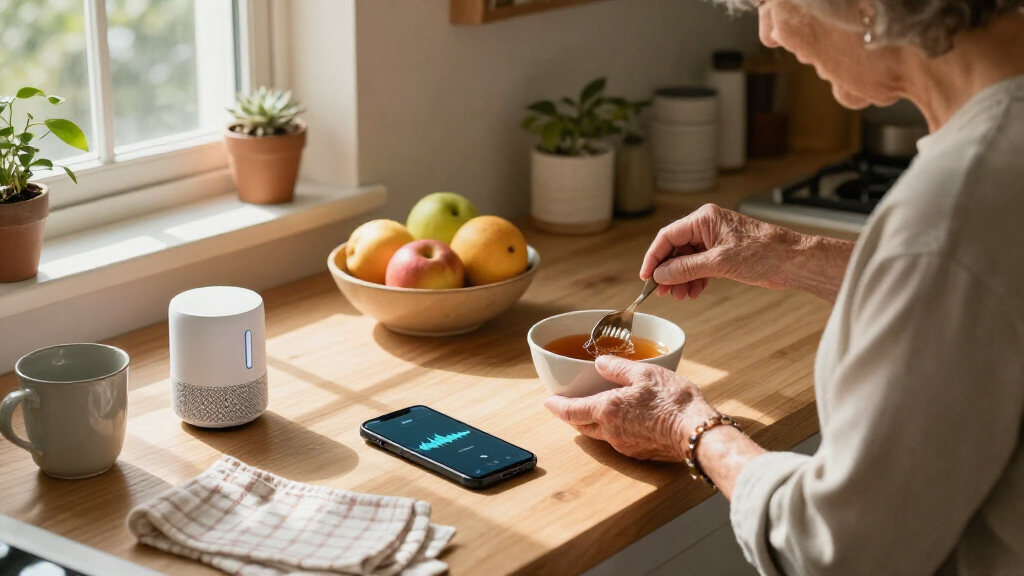
IdeaNavigator AI proposes testing scheduled AI phone calls that ask seniors living alone a few wellness questions and send an adult child an all-clear or an alert. The suggested pilot would involve 15 senior-and-family pairs over three weeks; no test results or evidence of effectiveness are reported.
IdeaNavigator AI has proposed a three-week test of scheduled daily AI phone calls for seniors living alone, with a text alert to an adult child if a call is missed or raises concern. The suggested pilot would include 15 senior-and-family pairs, but no trial has been reported, so whether recipients answer the calls or families find the alerts useful remains unknown.
The proposed service is aimed at an independent senior living alone and an adult child who lives in another city. A scheduled call would ask a few wellness questions, then send the family member either a simple all-clear message or a flag for a missed or concerning call. The concept is framed as a routine check, not as a substitute for in-person care or emergency response.
IdeaNavigator AI describes the potential problem as a gap between family concern and the ability to call every day: if a parent has a fall or an unusually difficult day, there may be no routine check to notice it promptly. The proposal says natural-sounding voice AI can make short calls to a landline or mobile phone. It does not provide evidence about call quality, recognition of distress, or the time it might take for a family member to act on an alert.
The suggested validation is to set up calls for 15 senior-and-adult-child pairs over three weeks. The measures would be call answer rate and whether families considered the all-clear alerts worth paying for. A possible business model is a monthly subscription billed to the adult child per parent, but no price, operating service, or commercial launch is specified.
Testing Routine Checks at Home
A daily call could offer families a regular signal that a parent has answered and responded to a brief set of questions. For people living at a distance, that might provide reassurance and help prompt a follow-up when a call is missed. The value would depend on whether the routine is acceptable to seniors and whether alerts are timely, clear, and actionable.
The proposal also points to a practical distinction: an automated check-in is not a confirmed safety assessment. A person can answer a call while still needing help, and a missed call may have ordinary explanations, such as a phone being unavailable. The pilot’s measures could test adoption and perceived value, but the proposed design does not establish that the calls prevent harm, detect emergencies reliably, or improve health outcomes.
For families considering such a service, the central issue is not only whether an AI can hold a natural-sounding conversation. It is what the system does when answers are concerning, when the senior does not answer, or when the call fails. Those response procedures would shape whether the service is useful as one part of a wider wellness routine.
Popular right now

Bose QuietComfort Headphones (2nd Gen), Wireless Noise-Cancelling Over-Ear Headphones, Eucalyptus Green

KitchenAid Artisan 5-Qt Tilt-Head Stand Mixer, Cardamom

Ninja Foodi 10-Qt DualZone Smart XL Air Fryer, 6-in-1, DZ550
As an affiliate, we earn on qualifying purchases.
From Family Concern to Pilot
The idea is positioned within aging-in-place wellness: supporting older adults who live independently while family members are not nearby. Its intended user is specific—a distant adult child who cannot make a daily call—not every senior or every household. The proposed workflow is also deliberately narrow: one scheduled phone call, a few questions, and a basic message to a family member.
IdeaNavigator AI presents the plan as an opportunity to test, not as a validated product or finding. It identifies a possible technology rationale—voice AI that can conduct short calls on landlines or cell phones—but supplies no technical evaluation or evidence that the proposed system is already operating. The three-week, 15-pair exercise is a suggested validation step, rather than a completed study.
That distinction matters when interpreting the commercial idea. A small pilot could indicate whether participants answer and whether adult children see value in alerts. It would not, on its own, show how the service performs across different health needs, phone habits, languages, or longer periods of use.
Safety and Results Still Unknown
No pilot results are available in the proposal. It does not say whether the 15-pair test has begun, who would operate the calls, how participants would be recruited, or how the service would handle a missed call. There are no reported figures for answer rates, false alerts, or family willingness to pay.
The proposal also leaves operational and safety details open. It does not specify how concerning answers would be identified, what would happen after an alert, whether a human would review responses, or how quickly relatives would be notified. Privacy, consent, call recording, data storage, and access to health information are not addressed. Without those details, the call cannot be treated as a dependable emergency-monitoring system.
It is also unclear how the proposed calls would accommodate hearing or speech difficulties, cognitive impairment, changes in routine, or a senior’s preference not to answer an automated caller. The idea identifies a possible use for voice AI, but does not establish that it works reliably for these circumstances.
Pilot Measures to Watch
The next step described by IdeaNavigator AI is a three-week test with 15 pairs. If conducted, the stated measures—call answer rates and families’ views on the value of all-clear alerts—could provide an initial indication of whether the routine is usable and appealing to potential subscribers.
Any further assessment would need to clarify how missed or concerning calls are handled, what the system can and cannot detect, and how participants’ consent and information are protected. Until a pilot is reported and those procedures are explained, the proposal remains an untested service concept rather than evidence that daily AI calls improve seniors’ safety or well-being.
Source: IdeaNavigator AI
Key Questions
Has the daily AI check-in service been tested?
No test results are reported. IdeaNavigator AI suggests a three-week pilot with 15 senior-and-adult-child pairs, but does not say that the pilot has taken place.
What would the AI call do?
The proposal describes a scheduled phone call with a few wellness questions. It would send an adult child an all-clear message or flag a missed or concerning call.
Would the calls replace emergency or medical care?
The proposal does not establish that the calls can identify emergencies or provide medical care. They are described as routine check-ins, and their reliability and follow-up procedures remain unclear.
How would the service make money?
The suggested business model is a monthly subscription billed to the adult child for each parent. No price or launched service is specified.
Source: IdeaNavigator AI