

To keep your team aligned and creative, establish daily design rituals like regular brainstorming sessions and feedback loops. By dedicating specific times for idea generation and seeking input consistently, you foster an environment of ongoing improvement and shared ownership. These routines boost collaboration, spark innovation, and prevent burnout. Building these habits into your workflow creates a culture of continuous learning. Keep exploring how these practices can energize your team and sustain creative momentum.
Key Takeaways
- Establish daily brainstorming sessions using techniques like mind mapping to spark innovation and gather diverse ideas.
- Incorporate regular feedback loops through stand-ups or digital tools to ensure continuous improvement.
- Create consistent routines for design reviews and peer critiques to maintain alignment and quality.
- Encourage team rituals such as shared reflection or quick retrospectives to reinforce learning and collaboration.
- Promote a culture of ongoing development by integrating learning activities and idea-sharing into daily workflows.

Have you ever wondered how consistent design practices can boost creativity and productivity? Establishing daily design rituals can be a game-changer for your team. These rituals create a routine that encourages continuous improvement and keeps everyone aligned on goals. One key element is incorporating effective brainstorming techniques into your daily workflow. By dedicating specific time for idea generation, you prevent stagnation and stimulate innovative thinking. Techniques like mind mapping, rapid ideation, or even simple round-robin sessions can help spark fresh perspectives. When everyone knows they’ll have a dedicated space for sharing ideas, it’s easier to foster an open environment where creativity thrives.
Alongside brainstorming, feedback loops are essential to maintaining momentum and refining ideas. Regularly soliciting input ensures that designs stay aligned with project objectives and user needs. It’s important to embed feedback loops into your daily rituals—whether through quick stand-up meetings, peer reviews, or digital collaboration tools. These loops enable you to catch issues early, make iterative adjustments, and build a sense of shared ownership. When feedback becomes a routine part of your workflow, it’s no longer a disruptive event but a natural, constructive process. This consistency encourages team members to speak up, share insights, and learn from each other, ultimately enhancing the quality of your design work.
Embedding regular feedback loops fosters shared ownership and continuous improvement in your design process
In addition, understanding the contrast ratio of your projectors can significantly impact the clarity and depth of your visual presentations, making your designs more compelling. By integrating these elements into your daily practices, you cultivate a culture of continuous learning and collaboration. Your team begins to see design as an ongoing process rather than a one-time task. Over time, this consistency in applying brainstorming techniques and feedback loops leads to more cohesive, innovative solutions. It also reduces the risk of burnout and frustration, as everyone understands the flow and feels involved in shaping the final product. The key is to make these rituals habitual—set aside specific times for brainstorming, establish regular check-ins for feedback, and encourage openness. When these practices become second nature, they foster a sense of discipline that energizes your team and keeps creative ideas flowing.
In the end, consistent design rituals not only improve productivity but also cultivate a mindset of continuous improvement. They turn abstract concepts into tangible habits, ensuring your team stays aligned, motivated, and inventive. By making brainstorming techniques and feedback loops integral parts of your daily routine, you set the stage for sustained creativity and better collaboration. The result is a dynamic environment where innovative ideas flourish, and your team feels empowered to push boundaries every day.

The User Experience Team of One: A Research and Design Survival Guide
As an affiliate, we earn on qualifying purchases.
As an affiliate, we earn on qualifying purchases.
Frequently Asked Questions
How Do I Introduce Design Rituals to a Resistant Team?
To introduce design rituals to a resistant team, start by explaining how these practices benefit everyone and seek their input to foster team buy-in. Implement them gradually, allowing team members to adapt comfortably. You’ll build trust and enthusiasm by highlighting small wins and showing how rituals improve collaboration and creativity. Keep communication open, listen to concerns, and be flexible, making it easier for your team to embrace the new routines.
What Are Common Mistakes to Avoid When Establishing Rituals?
To avoid common mistakes, guarantee you get team buy-in from the start, so everyone feels invested. Don’t overlook consistency challenges—set clear schedules and keep rituals simple to maintain momentum. Avoid making rituals feel like chores; instead, make them engaging and relevant. Communicate the purpose clearly, and be flexible enough to adapt as needed. This approach helps embed the rituals naturally, fostering alignment and creativity over time.
How Can Rituals Be Adapted for Remote or Distributed Teams?
You can adapt rituals for remote teams by leveraging virtual collaboration tools like video calls and chat platforms. Schedule regular check-ins to foster connection, and use asynchronous feedback to keep everyone engaged without time zone conflicts. Encourage team members to share updates and ideas at their own pace, ensuring rituals remain flexible and inclusive. This approach maintains alignment, sparks creativity, and strengthens team bonds, regardless of physical distance.
What Tools Best Support Daily Design Practices?
Think of collaborative tools like Miro or Figma as your team’s creative compass, guiding your ideas smoothly. Use Slack or Microsoft Teams as your communication lighthouse, ensuring feedback mechanisms stay clear and constant. These tools act as your team’s digital workshop, fostering real-time collaboration and quick iteration. With them, you keep your design practice aligned, dynamic, and inspired—no matter where your team members are located.
How Do I Measure the Success of Design Rituals?
You measure the success of design rituals by tracking performance metrics like project progress and quality improvements. Pay close attention to team engagement—are team members actively participating and sharing ideas? Look for increased collaboration, faster problem-solving, and positive feedback. Regularly review these indicators to see if your rituals foster alignment and creativity. Modify practices as needed to guarantee they continue to support your team’s growth and effectiveness.

Jazz Process, The: Collaboration, Innovation, and Agility
As an affiliate, we earn on qualifying purchases.
As an affiliate, we earn on qualifying purchases.
Conclusion
Embrace these design rituals, and watch your team’s creative energy flow like a steady river carving new paths. Picture mornings filled with shared ideas, afternoons where collaboration sparkles like sunlight on water, and evenings that leave everyone inspired and connected. When you make these practices a daily habit, you create a vibrant canvas where innovation thrives and teamwork blossoms. Keep these rituals alive, and your team’s energy will shine brighter with each passing day.

Dry Erase Whiteboard 4-Pack for Students and Educators, Class, Team Building, Game – Monthly, Weekly, and Daily Planners with 2 Markers
Premium Quality Dry Erase Board – Crafted with durable Environmental protection paper material and smooth writing film for…
As an affiliate, we earn on qualifying purchases.
As an affiliate, we earn on qualifying purchases.
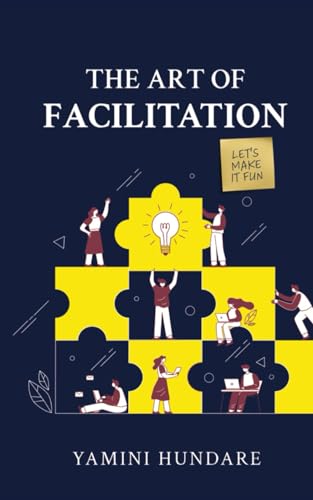
The ART OF FACILITATION: Optimising team meetings and retrospectives by harnessing the power of effective meeting strategies, collaborative activities and templates.
As an affiliate, we earn on qualifying purchases.
As an affiliate, we earn on qualifying purchases.