
The best cloud hosting services for developers depend on whether you need a working deployment path, cloud fundamentals, or practice across platforms. For an all-around starting point, AWS for Full-Stack Developers connects application development with AWS deployment; Google Cloud Cookbook favors practical build-and-deploy tasks, while Multi-Cloud Handbook for Developers is the broader choice for comparing providers. The main tradeoff is focus: a single-cloud guide can build usable depth faster, while a multi-cloud or Kubernetes title covers more ground but asks for more background. These books teach cloud development rather than provide hosting accounts or managed infrastructure. Read on for the full breakdown and a guide to choosing the right learning path.

Get business pricing on monitors, keyboards and dev gear
- Business-only prices and quantity discounts
- Tax-exempt purchasing
- Multiple users, one account, clear invoices
Key Takeaways
- The roundup compares learning resources, not hosting platforms: none of these titles supplies cloud infrastructure, so readers seeking a hosting provider will need a separate service.
- Practical deployment is the strongest differentiator: AWS Cloud Projects, Google Cloud Cookbook, and The Cloud Developer Workbook focus on applied work rather than fundamentals alone.
- Platform commitment shapes the best choice: AWS titles suit readers building AWS skills, Google Cloud titles concentrate on GCP, and the Multi-Cloud Handbook spans AWS, Azure, GCP, and more.
- Specialized topics require a foundation: Kubernetes and microservices offer narrower paths into cloud-native architecture, but are less direct choices for someone learning basic cloud concepts.
- There is no single guide that fits every developer: the best match depends on whether the goal is first deployment, structured reference, repeated exercises, or cross-cloud design.
| Google Cloud for Beginners: Build Scalable Applications on GCP Step-by-Step |  | Best for GCP Beginners | Topic: Google Cloud Platform (GCP) | Skill level: Beginner | Focus: Building scalable applications | VIEW LATEST PRICE | See Our Full Breakdown |
| Multi-Cloud Handbook for Developers: Learn How to Design and Manage Cloud-Native Applications in AWS, Azure, GCP, and More |  | Best for Multi-Cloud Architecture | Topic: Multi-cloud development | Cloud-native focus: Design and management | Named platforms: AWS, Azure, and GCP | VIEW LATEST PRICE | See Our Full Breakdown |
| AWS Cloud Projects: Strengthen Your AWS Skills Through Practical Projects | 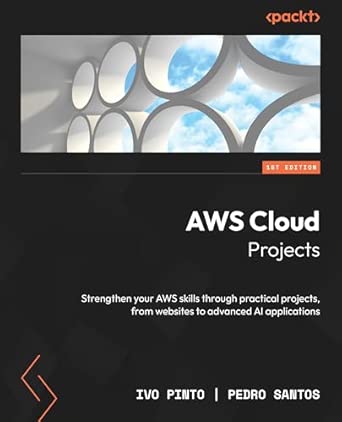 | Best for Hands-On AWS Practice | Cloud provider: Amazon Web Services (AWS) | Focus: Practical cloud projects | Project range: Websites to advanced AI applications | VIEW LATEST PRICE | See Our Full Breakdown |
| AWS for Full-Stack Developers: A Practical Guide to Getting Started with AWS Cloud Deployment |  | Best for Full-Stack Deployment Starters | Cloud provider: Amazon Web Services (AWS) | Intended audience: Full-stack developers | Focus: Cloud deployment | VIEW LATEST PRICE | See Our Full Breakdown |
| Cloud Native DevOps with Kubernetes: Building, Deploying, and Scaling Modern Applications in the Cloud |  | Best for Kubernetes-Centered DevOps | Topic: Cloud-native DevOps | Primary technology: Kubernetes | Application focus: Modern cloud applications | VIEW LATEST PRICE | See Our Full Breakdown |
| A Gentle Introduction to Microservices for Python Developers: Designing, Building, and Deploying Large Applications on AWS and Google Cloud |  | Best for Python Microservices | Topic: Microservices | Programming language: Python | Cloud platforms: AWS; Google Cloud | VIEW LATEST PRICE | See Our Full Breakdown |
| Google Cloud: The Complete Professional Guide |  | Best Broad Google Cloud Guide | Platform: Google Cloud Platform (GCP) | Topics: Cloud architecture, Kubernetes, DevOps, networking, security | Level: Beginner to advanced | VIEW LATEST PRICE | See Our Full Breakdown |
| Google Cloud Cookbook: Practical Solutions for Building and Deploying Cloud Services |  | Best for Google Cloud Problem-Solving | Platform: Google Cloud | Focus: Practical solutions for cloud services | Activities: Building and deploying | VIEW LATEST PRICE | See Our Full Breakdown |
| The Cloud Developer Workbook: 100 Hands-on Exercises to Build Your AWS Skills |  | Best for AWS Practice | Topic: AWS cloud development | Exercise count: 100 | Format: Workbook with hands-on exercises | VIEW LATEST PRICE | See Our Full Breakdown |
| Cloud Computing and AWS Introduction: Mastering AWS Fundamentals and Core Services |  | Best for AWS Fundamentals | Topic: Cloud computing and AWS | Platform: Amazon Web Services (AWS) | Coverage: AWS fundamentals and core services | VIEW LATEST PRICE | See Our Full Breakdown |
| cloud hosting services for developer | Product type | Topic | ASIN |
|---|---|---|---|
| Google Cloud for Beginners: Bu | Guide | Google Cloud Platform (GCP) | — |
| Multi-Cloud Handbook for Devel | Handbook | Multi-cloud development | — |
| AWS Cloud Projects: Strengthen | Guide | — | — |
| AWS for Full-Stack Developers: | — | — | — |
| Cloud Native DevOps with Kuber | Book | Cloud-native DevOps | — |
| A Gentle Introduction to Micro | Introduction | Microservices | B0HL4B8SH7 |
| Google Cloud: The Complete Pro | Professional guide | — | B0H8QC7R1D |
| Google Cloud Cookbook: Practic | Cookbook | — | 1492092894 |
| The Cloud Developer Workbook: | — | AWS cloud development | B091KV1XY8 |
| Cloud Computing and AWS Introd | Guide | Cloud computing and AWS | B0DR5JYL3Z |
More Details on Our Top Picks
Google Cloud for Beginners: Build Scalable Applications on GCP Step-by-Step
This guide is the clearest starting point in this group for developers who have chosen Google Cloud and need a guided route into application building. Its beginner focus and step-by-step framing may make scaling concepts easier to approach than the broader platform survey in Multi-Cloud Handbook for Developers, which spans several providers rather than concentrating on GCP. The stated goal is building scalable applications, giving readers a practical direction instead of a general cloud overview. The tradeoff is that the supplied details do not identify particular services, exercises, or deployment scenarios, so buyers cannot tell how much hands-on implementation the book includes. Developers comparing GCP with AWS or Azure may also need a separate resource. I’d choose it for a first focused pass at GCP, not as a cross-cloud reference.
Pros:- Beginner-focused framing suits readers starting with GCP.
- Centers on building scalable applications rather than cloud concepts alone.
- Step-by-step approach signals a guided learning path.
Cons:- The available product details do not specify which GCP services or tools are covered.
- No project list or hands-on requirements are provided, making the practical depth hard to judge.
- Its GCP focus offers less provider comparison than Multi-Cloud Handbook for Developers.
Best for: Developers new to GCP who want a step-by-step introduction centered on building scalable applications.
Not ideal for: Experienced cloud engineers or developers comparing several providers who need named services, detailed technical coverage, or cross-cloud architecture guidance.
- Topic:Google Cloud Platform (GCP)
- Skill level:Beginner
- Focus:Building scalable applications
- Approach:Step-by-step
- Cloud providers covered:Google Cloud Platform
- Product type:Guide
Our verdict“Choose this guide for a beginner-friendly, GCP-specific starting point; pick the multi-cloud handbook if comparing providers is your main goal.”
Multi-Cloud Handbook for Developers: Learn How to Design and Manage Cloud-Native Applications in AWS, Azure, GCP, and More
For developers who need to work across providers, this handbook has the broadest stated scope in the group: it covers AWS, Azure, GCP, and more, with an emphasis on designing and managing cloud-native applications. That makes it a better fit for cross-cloud architecture questions than Google Cloud for Beginners, which focuses on one provider and a beginner path. The multi-provider angle can help readers build a wider vocabulary for cloud-native systems, especially when a team’s infrastructure is not tied to one vendor. Breadth also brings a tradeoff: the supplied description does not name services, practical projects, or the depth given to each platform. Developers seeking a guided first deployment on one cloud may find the scope less direct than AWS for Full-Stack Developers.
Pros:- Covers AWS, Azure, GCP, and other cloud environments.
- Focuses on both designing and managing cloud-native applications.
- Offers a broader provider perspective than the single-cloud guides in this group.
Cons:- The supplied details do not show which cloud services receive coverage.
- No specific projects or exercises are identified.
- Its broad scope may be less direct for readers learning their first deployment on one platform.
Best for: Developers and platform engineers who design or maintain cloud-native applications across AWS, Azure, GCP, or mixed-provider environments.
Not ideal for: Beginners committed to one provider who want a narrow, step-by-step deployment guide or detailed service-specific exercises.
- Topic:Multi-cloud development
- Cloud-native focus:Design and management
- Named platforms:AWS, Azure, and GCP
- Additional platforms:Other cloud environments
- Intended audience:Developers
- Product type:Handbook
Our verdict“Choose this handbook when cross-cloud design and management matter more than a step-by-step start on one provider.”
AWS Cloud Projects: Strengthen Your AWS Skills Through Practical Projects
This is the most explicitly project-oriented AWS pick in the batch. Its stated range—from websites to advanced AI applications—suggests a way to practice AWS through builds rather than relying only on conceptual explanations. That gives it a different role from AWS for Full-Stack Developers, whose stated focus is getting started with deployment, and from Cloud Native DevOps with Kubernetes, which centers on Kubernetes workflows. The project framing may suit developers who learn by making things and want to extend their AWS skills across varied application types. However, the available description does not list the projects, required services, or assumed experience, so readers cannot judge the workload or whether the AI material matches their level. I’d favor it for project-led AWS practice, not as a guaranteed first-cloud tutorial.
Pros:- Uses practical projects as the main route to strengthening AWS skills.
- Described project range includes websites and advanced AI applications.
- Offers a build-focused alternative to the deployment introduction in AWS for Full-Stack Developers.
Cons:- Specific projects and AWS services are not identified in the supplied details.
- The intended experience level and technical requirements are not stated.
- The breadth of project types may not provide the focused deployment path some full-stack developers want.
Best for: Developers with some AWS familiarity who want to build practical projects spanning web applications and advanced AI use cases.
Not ideal for: Readers who need a clearly documented beginner curriculum, a known project list, or guidance focused on deployment with a specific framework.
- Cloud provider:Amazon Web Services (AWS)
- Focus:Practical cloud projects
- Project range:Websites to advanced AI applications
- Learning approach:Hands-on project work
- Stated purpose:Strengthen AWS skills
- Product type:Guide
Our verdict“Pick this book for project-led AWS skill building if you are comfortable with some uncertainty about the exact projects and prerequisites.”
AWS for Full-Stack Developers: A Practical Guide to Getting Started with AWS Cloud Deployment
This guide has the most clearly targeted audience among the AWS options: full-stack developers getting started with cloud deployment. That makes its stated purpose more specific than AWS Cloud Projects, which spans projects from websites to advanced AI applications, and less infrastructure-specialized than Cloud Native DevOps with Kubernetes. A practical, deployment-focused guide may help application developers connect their existing full-stack work with AWS hosting, rather than approaching cloud infrastructure as an end in itself. The limitation is the sparse product information: no frameworks, AWS services, deployment steps, or project examples are listed. I’d treat the audience and focus as useful signals, but not assume it covers a particular stack or a complete production workflow without further content details.
Pros:- Targets full-stack developers rather than cloud specialists in general.
- Focuses on getting started with AWS cloud deployment.
- Practical guide framing connects application development with hosting.
Cons:- The supplied details do not identify AWS services, frameworks, or deployment workflows.
- No project examples or technical prerequisites are provided.
- Its stated introductory focus may not meet the needs of developers seeking advanced AWS or Kubernetes material.
Best for: Full-stack developers who know how to build applications and want an introductory, practical guide to deploying them on AWS.
Not ideal for: Readers seeking a verified service-by-service AWS reference, a detailed project catalog, or Kubernetes-centered cloud-native DevOps instruction.
- Cloud provider:Amazon Web Services (AWS)
- Intended audience:Full-stack developers
- Focus:Cloud deployment
- Approach:Practical guide
- Skill focus:Getting started
- Format:Book
Our verdict“Choose this guide if you are a full-stack developer seeking an AWS deployment starting point and can verify the contents match your stack.”
Cloud Native DevOps with Kubernetes: Building, Deploying, and Scaling Modern Applications in the Cloud
This is the most infrastructure- and operations-focused pick here. Its subject is Kubernetes for cloud-native DevOps, with building, deploying, and scaling modern applications as the stated scope. Compared with AWS for Full-Stack Developers, which is framed around getting started with AWS deployment, this book points toward container orchestration and repeatable application operations rather than one provider’s entry-level deployment path. That distinction makes it relevant to developers working with Kubernetes across cloud environments, though the product details do not name specific platforms or tools beyond Kubernetes. The tradeoff is specialization: readers who simply need to host a first application on GCP or AWS may find a provider-specific guide more direct. The supplied information also leaves the book’s prerequisites and practical exercise format unclear.
Pros:- Centers on Kubernetes, a distinct focus among the listed books.
- Covers building, deploying, and scaling cloud-native applications.
- Addresses operational concerns beyond a first deployment guide.
Cons:- The supplied details do not specify cloud providers or related tools covered.
- Prerequisites and intended experience level are not stated.
- Kubernetes-centered material may be unnecessary for readers seeking basic application hosting.
Best for: Developers and DevOps practitioners who need to build, deploy, and scale cloud-native applications using Kubernetes.
Not ideal for: New cloud developers seeking a provider-specific hosting introduction or full-stack developers who do not need container orchestration.
- Topic:Cloud-native DevOps
- Primary technology:Kubernetes
- Application focus:Modern cloud applications
- Covered activities:Building, deploying, and scaling
- Cloud context:Cloud environments
- Product type:Book
Our verdict“Choose this book if Kubernetes is central to your cloud-native deployment and operations work; choose a provider-specific guide for a simpler first deployment.”
A Gentle Introduction to Microservices for Python Developers: Designing, Building, and Deploying Large Applications on AWS and Google Cloud
This is the most focused choice here for a Python developer who needs to think beyond a single deployable application. Its stated coverage links microservices design, building, and deployment with both AWS and Google Cloud, making it a more architecture-specific option than Cloud Computing and AWS Introduction, which centers on AWS fundamentals. That focus can help readers connect application structure with cloud deployment decisions rather than study cloud services in isolation. The tradeoff is that the available description gives no detail on particular tools, examples, or the depth of its platform coverage. Developers seeking broad GCP topics such as networking and Kubernetes may get a wider subject range from Google Cloud: The Complete Professional Guide. Choose this when Python microservices are the main learning goal, not as a general cloud reference.
Pros:- Targets microservices concepts specifically for Python developers
- Covers design, application development, and deployment
- Names both AWS and Google Cloud as deployment platforms
Cons:- The available description does not identify specific frameworks, services, or tools
- The depth and practical format of the deployment guidance are unspecified
Best for: Python developers planning to split or deploy a larger application as microservices across AWS or Google Cloud
Not ideal for: Readers seeking a broad cloud-platform reference or detailed information about specific tools, examples, and deployment workflows
- Topic:Microservices
- Programming language:Python
- Cloud platforms:AWS; Google Cloud
- Coverage:Designing, building, and deploying large applications
- ASIN:B0HL4B8SH7
- Product type:Introduction
Our verdict“Choose this for a Python-centered microservices learning path across AWS and Google Cloud, but not for broad platform coverage.”
Google Cloud: The Complete Professional Guide
This guide has the widest stated Google Cloud topic range in this group: architecture, Kubernetes, DevOps, networking, and security, with material described as spanning beginner to advanced levels. That makes it a broader platform-learning pick than Google Cloud Cookbook, whose description emphasizes practical solutions but supplies no topic list. It also differs from A Gentle Introduction to Microservices for Python Developers, which narrows its lens to Python microservices and two cloud platforms. The drawback is that the available details do not explain the guide’s format, depth, or how it handles the jump from introductory concepts to advanced material. Developers who prefer exercises with a defined count may find The Cloud Developer Workbook easier to evaluate. This is best for readers who want a single GCP-oriented survey, provided they are comfortable with limited detail about the contents.
Pros:- Covers several core Google Cloud development and operations areas
- Includes cloud architecture and Kubernetes
- Is described as suitable for beginner through advanced learning
Cons:- The available description does not specify format or chapter-level depth
- The range of levels may make it difficult to judge how much advanced guidance is included
Best for: Developers who want one Google Cloud learning resource spanning architecture, Kubernetes, DevOps, networking, and security
Not ideal for: Readers who need confirmed hands-on exercises, a specific learning format, or a clearly described level of depth before choosing
- Platform:Google Cloud Platform (GCP)
- Topics:Cloud architecture, Kubernetes, DevOps, networking, security
- Level:Beginner to advanced
- ASIN:B0H8QC7R1D
- Product type:Professional guide
- Cloud focus:Google Cloud
Our verdict“Pick this for broad Google Cloud topic coverage, but choose a more clearly specified workbook if exercise format matters most.”
Google Cloud Cookbook: Practical Solutions for Building and Deploying Cloud Services
The cookbook format and title point toward a practical, task-oriented approach to building and deploying Google Cloud services. That makes it a different kind of resource from Google Cloud: The Complete Professional Guide, which names a broader spread of subjects including networking, security, and Kubernetes. Developers who already know what they want to build may prefer a solution-focused reference; those learning GCP from the ground up may want the more explicitly level-spanning guide instead. The limitation is that the supplied description gives no examples of recipes, tools, service coverage, or intended experience level, so the breadth and hands-on detail cannot be confirmed. I would choose this for its practical orientation, not assume it covers every part of Google Cloud or replaces a structured course.
Pros:- Focuses on practical solutions rather than only platform concepts
- Targets building and deploying cloud services
- Has a clear Google Cloud focus
Cons:- The available information does not identify covered services or tools
- No level, recipe examples, or format details are provided
Best for: Developers looking for a Google Cloud reference organized around practical building and deployment problems
Not ideal for: Beginners who need a clearly described learning path or buyers who need confirmed details about covered services and exercise examples
- Platform:Google Cloud
- Focus:Practical solutions for cloud services
- Activities:Building and deploying
- Product type:Cookbook
- ASIN:1492092894
- Level:Not specified
Our verdict“Choose this for a practical Google Cloud orientation, while opting for the Complete Professional Guide if you need a stated topic map.”
The Cloud Developer Workbook: 100 Hands-on Exercises to Build Your AWS Skills
Its clearest advantage is a defined practice format: 100 hands-on exercises aimed at building AWS skills. That gives this workbook a more concrete practice promise than Cloud Computing and AWS Introduction, which is positioned around fundamentals and core services, and a more exercise-led angle than the Google Cloud-focused guides. It may suit developers who learn by doing and want repeated opportunities to apply cloud concepts. The important limitation is that the available description does not say what the exercises cover, how they are organized, or what prior AWS knowledge they assume. That makes it harder to tell whether the tasks match a specific development workflow or skill level. Choose it for the stated exercise count and AWS focus, but not when you need a confirmed topic outline before starting.
Pros:- Specifies 100 hands-on exercises
- Focuses directly on developing AWS skills
- Workbook format signals an applied learning approach
Cons:- Exercise topics and organization are not specified
- The expected starting skill level is not provided
Best for: Developers seeking structured AWS practice through a workbook and willing to evaluate its exercise topics as they go
Not ideal for: Readers who need a known AWS topic list, a stated difficulty level, or guidance centered on Google Cloud
- Topic:AWS cloud development
- Exercise count:100
- Format:Workbook with hands-on exercises
- Platform:AWS
- ASIN:B091KV1XY8
- Exercise topics:Not specified
Our verdict“Pick this for AWS learning through a stated set of hands-on exercises, but favor an introductory guide if you need a defined subject outline.”
Cloud Computing and AWS Introduction: Mastering AWS Fundamentals and Core Services
This is the most direct starting point in the group for learning AWS fundamentals and core services. Compared with The Cloud Developer Workbook, it is framed as an introduction rather than a set of 100 exercises, so it may suit readers who first want a conceptual base; the workbook is the clearer choice for practice. It is also narrower than Google Cloud: The Complete Professional Guide, which lists Kubernetes, networking, security, and DevOps across GCP. That focus is useful for AWS newcomers, but the supplied description offers no chapter list, hands-on format, or detail on which services receive attention. Developers seeking immediate project work or a broad multi-platform view may need another resource alongside it. Choose this as a fundamentals-oriented entry point, not as a proven reference for advanced AWS development.
Pros:- Clearly centers AWS fundamentals and core services
- Introductory framing suits readers new to cloud computing
- Keeps the learning focus on AWS rather than splitting attention across platforms
Cons:- The available description does not specify which AWS services are covered
- Hands-on exercises, format, and depth are not described
Best for: New cloud developers who want an introductory explanation of AWS fundamentals and core services before tackling hands-on projects
Not ideal for: Experienced AWS developers seeking advanced implementation detail, or learners who want a confirmed exercise-based format
- Topic:Cloud computing and AWS
- Platform:Amazon Web Services (AWS)
- Coverage:AWS fundamentals and core services
- Level:Introduction
- ASIN:B0DR5JYL3Z
- Product type:Guide
Our verdict“Choose this to begin with AWS fundamentals, then turn to the Cloud Developer Workbook when you want a defined set of exercises.”

How We Picked
I compared the ten titles by how directly they support a developer’s cloud learning goals: platform specificity, practical deployment work, clarity for newcomers, and usefulness for building skills beyond basic definitions. I also considered whether a book is positioned as a tutorial, a reference, a workbook, or a specialized architecture guide, since those formats serve different stages of learning.
The ranking favors resources with a clear path from developer task to cloud application, then distinguishes focused practice from broad coverage. AWS and Google Cloud titles are not treated as interchangeable: each is most useful when it matches a reader’s intended platform. Multi-cloud, Kubernetes, and microservices books earn a place for broader or deeper needs, but they rank behind direct entry and deployment guides for readers seeking a practical starting point. These are books about cloud development, not hosting services themselves.
| cloud hosting services for developer | Topic | Product type |
|---|---|---|
| Google Cloud for Beginners: Bu | Google Cloud Platform (GCP) | Guide |
| Multi-Cloud Handbook for Devel | Multi-cloud development | Handbook |
| AWS Cloud Projects: Strengthen | — | Guide |
| AWS for Full-Stack Developers: | — | — |
| Cloud Native DevOps with Kuber | Cloud-native DevOps | Book |
| A Gentle Introduction to Micro | Microservices | Introduction |
| Google Cloud: The Complete Pro | — | Professional guide |
| Google Cloud Cookbook: Practic | — | Cookbook |
| The Cloud Developer Workbook: | AWS cloud development | — |
| Cloud Computing and AWS Introd | Cloud computing and AWS | Guide |
Factors to Consider When Choosing Cloud Hosting Services For Developers
Before choosing a title, decide what you want to be able to do after reading it. A cloud learning resource can explain concepts, walk through a deployment, or provide repeated practice, but one format rarely does all three equally well.
Choose the learning resource, not just the cloud provider
First check whether you need a book or an actual hosting service: this roundup covers guides and workbooks, not infrastructure accounts. If your team has already standardized on AWS or Google Cloud, a focused title can connect lessons to the platform you will use. If you are comparing providers, multi-cloud coverage can help you learn shared ideas, but it may leave less room for platform-specific detail. A common mistake is choosing the broadest book simply because it names more providers. Match the resource to the next task you need to complete, such as deploying an application or understanding service choices. You can study another provider later without forcing every first lesson to cover all of them.
Match the format to your current skill level
A beginner often benefits from a guided sequence that introduces cloud concepts before asking for independent architecture decisions. A workbook or project collection suits someone who already understands the basics and wants repetition. Reference-style material is more useful when you need to look up a topic while building than when you need a step-by-step course. Do not mistake a large exercise count or broad table of contents for a complete learning path. If you have little cloud experience, check whether the resource explains prerequisites and the purpose of each task. If you are already shipping software, prioritize examples that connect cloud services to familiar development workflows.
Look for practice that resembles your real work
Hands-on content is most useful when its tasks resemble the applications you plan to build and maintain. A small deployment exercise teaches different lessons from designing a distributed service or operating a cluster. Consider whether you want to practice provisioning, application deployment, architecture, or troubleshooting; these are related skills, not substitutes for one another. A common misstep is buying a specialized Kubernetes or microservices guide before learning the cloud basics it assumes. Conversely, a fundamentals book may feel too slow if you already deploy applications regularly. Choose practice that stretches your current ability without skipping the concepts needed to make sense of the result.
Decide how much portability you need
Cloud skills have both provider-specific and transferable parts. Service names, configuration steps, and platform workflows tend to be specific, while ideas such as deployment automation and distributed application design can carry across environments. A single-provider guide can offer a clearer route to building on that platform, which is useful when a job or project has already chosen it. Multi-cloud material can help when you need to compare approaches or work across teams with different providers. The tradeoff is that breadth can reduce depth in any one platform. Avoid studying several clouds at once unless your work calls for it; a clear first foundation often makes later comparisons easier.
Check the ongoing cost and maintenance behind the lessons
Even a learning resource can lead to real cloud usage, and provider exercises may require an account or billable services. Before following a deployment, check current provider documentation for free-tier limits, service charges, and cleanup steps. A tutorial’s commands or screenshots can become outdated as cloud consoles and APIs change, so treat the book as a learning path rather than a permanent operating manual. Keep practice projects isolated, remove resources when finished, and avoid using production credentials for experiments. This matters most when a lesson provisions databases, compute instances, or network components that continue running. Budgeting time for cleanup and checking current documentation is part of learning to develop responsibly in the cloud.
Frequently Asked Questions
Are these cloud hosting services, or books about cloud development?
They are books and workbooks about cloud development, not hosting platforms or cloud accounts. They do not provide compute, storage, networking, or managed application hosting. Use them to learn concepts and workflows, then choose a provider separately if you need infrastructure. Before following any practical exercise, check whether it requires a cloud account or creates billable resources. This distinction matters if your immediate goal is to deploy a live application rather than study how cloud deployment works.
Should I learn AWS or Google Cloud first?
Start with the provider your project, employer, or intended role is most likely to use. If neither is decided, compare the kind of work you want to do and choose one platform for a focused first pass rather than splitting attention between both. AWS-focused titles in this roundup include practical projects, full-stack deployment, and fundamentals; the Google Cloud options include beginner guidance, a professional guide, and a cookbook. Provider concepts overlap, but service names and workflows differ. Once you can build and deploy a small application on one platform, moving to another is easier to approach.
Which type of book is best if I have never deployed an application?
Look for a guided introduction that explains the cloud concepts behind each step, rather than a workbook that expects you to work independently. A beginner-focused or full-stack deployment guide is more likely to connect familiar application work with cloud setup. Check that you understand the prerequisites, including programming language, command-line comfort, and any account setup. Do not start with Kubernetes or microservices solely because those topics appear in job descriptions; they add architectural concepts on top of cloud basics. After completing a first deployment, project-based exercises can help build confidence through repetition.
Is a multi-cloud guide better than learning one provider deeply?
It is better when your work requires provider comparison, portability, or collaboration across teams using different clouds. For a first deployment or a role centered on one platform, a single-provider guide usually gives you a more direct route to usable platform knowledge. Multi-cloud material can introduce shared design ideas, but it may not give every provider equal detail. A practical sequence is to learn one cloud well enough to build and operate a small application, then use broader material to compare services and tradeoffs. Choose breadth early only when your actual projects call for it.
Can I follow the book examples without unexpected cloud charges?
Not always: hands-on cloud exercises can create billable resources even when the lesson is educational. Read the current provider documentation for service limits and charges before provisioning anything, since account terms and service behavior can change. Use a separate practice environment, set available usage alerts or budgets, and follow cleanup instructions after each exercise. Pay particular attention to resources that keep running after a terminal session ends, such as compute instances or databases. If you cannot risk charges, first study the steps without deploying them or use a local alternative where the lesson allows it.
Conclusion
Best overall: I’d start with AWS for Full-Stack Developers if your goal is to connect application work with cloud deployment. Best value for hands-on practice: choose AWS Cloud Projects or The Cloud Developer Workbook if you already know the basics and want active exercises. Best for beginners: Google Cloud for Beginners offers a more direct starting point for learning GCP, while Cloud Computing and AWS Introduction is the AWS fundamentals route. Best premium-style reference: Google Cloud: The Complete Professional Guide fits readers seeking a broader GCP resource, while the Multi-Cloud Handbook suits cross-provider design. For specific needs, pick Google Cloud Cookbook for practical GCP tasks, Cloud Native DevOps with Kubernetes for container orchestration, or the Microservices Introduction for Python-oriented distributed applications. If you need a hosting account rather than a learning resource, none of these books is the service itself.