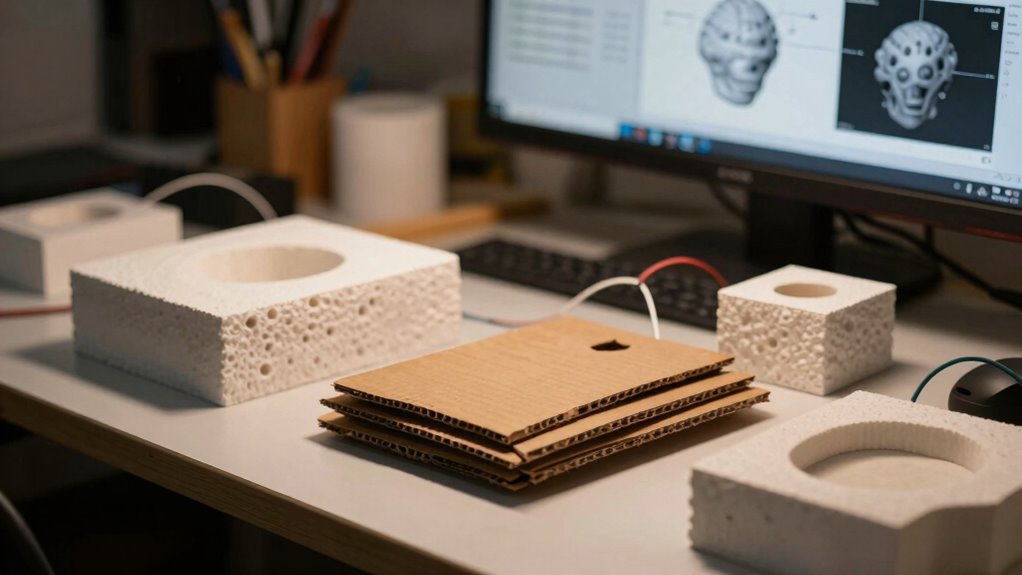

Physical prototypes teach you essential lessons about constraints that digital models can miss. They reveal how materials behave under real-world stresses, environmental factors, and user interactions. You’ll quickly discover limitations in durability, fit, and functionality that simulations might overlook. This hands-on insight helps you refine designs more accurately, prevent costly errors, and optimize materials for long-term use. If you want to know how these lessons can boost your project, keep exploring these key insights.

Get business pricing on monitors, keyboards and dev gear
- Business-only prices and quantity discounts
- Tax-exempt purchasing
- Multiple users, one account, clear invoices
Key Takeaways
- Physical prototypes reveal real-world material limitations that digital simulations may overlook.
- They expose unforeseen performance issues, guiding necessary design adjustments.
- Hands-on testing uncovers constraints related to manufacturability and user interaction.
- Prototypes help validate and refine digital models for greater accuracy.
- They foster iterative learning, reducing costly errors in later development stages.
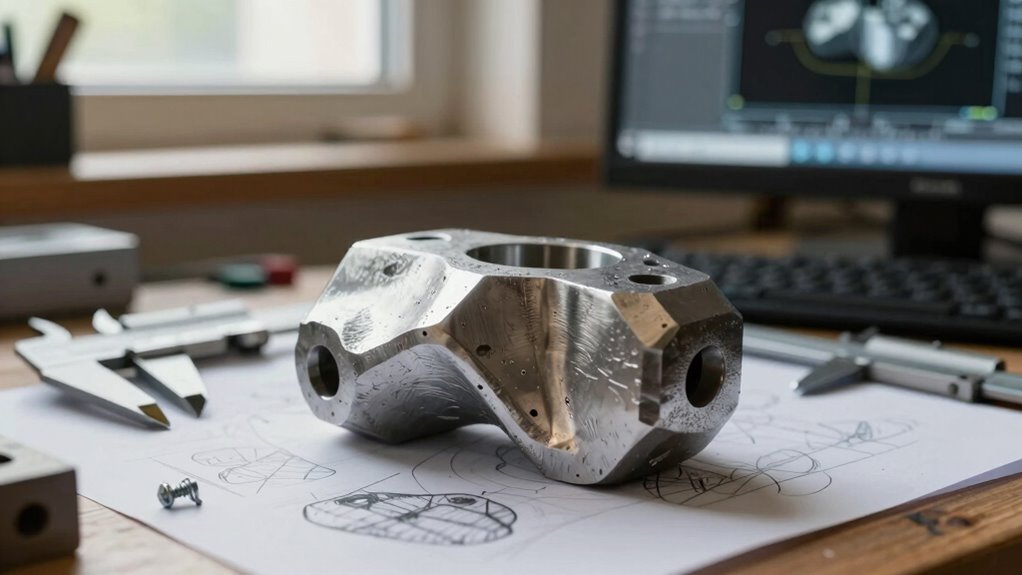
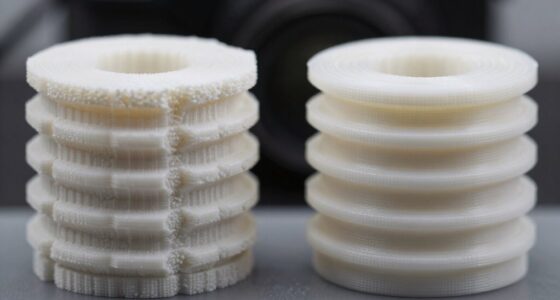
Have you ever wondered how physical prototypes and digital teams collaborate to accelerate innovation? When you work alongside physical prototypes, you quickly realize that they reveal insights digital models often overlook. One of the most valuable lessons is understanding material testing. In the digital domain, you can simulate countless scenarios rapidly, but nothing replaces the tactile feedback from a real prototype. When you test materials physically, you discover their true limits—how they behave under stress, their durability, and their response to environmental factors. This hands-on experience teaches you about constraints that are difficult to predict through simulations alone. You see firsthand where materials might fail or perform unexpectedly, guiding your digital team to refine models with more accuracy. This iterative process helps you identify real-world limitations early, avoiding costly mistakes later in production. Additionally, understanding the resale value of physical prototypes can influence decisions about materials and design choices, ensuring the product remains viable in the long term. Recognizing the importance of material properties can also lead to more sustainable and environmentally conscious design solutions. Furthermore, insights from physical testing can inform ethical considerations in material selection and product lifecycle planning, aligning your innovation with broader societal values. Incorporating material testing in early development stages allows teams to better understand constraints and optimize designs accordingly.
As an affiliate, we earn on qualifying purchases.
Frequently Asked Questions
How Do Physical Prototypes Influence Digital Project Timelines?
Physical prototypes can slow your digital project timelines because material limitations may restrict rapid creation, and testing accuracy can require multiple iterations. You’ll spend extra time refining the prototype to guarantee it functions correctly, which influences your schedule. However, this process also helps identify constraints early, allowing you to adjust your digital designs more effectively. Overall, physical prototyping adds time but leads to more reliable, well-informed digital solutions.
What Skills Are Essential for Digital Teams Working With Physical Prototypes?
Did you know 85% of product success relies on effective collaboration? To work with physical prototypes, you need strong collaboration strategies and solid material considerations. Skills like tactile problem-solving, understanding material properties, and rapid iteration are essential. You should also communicate clearly across disciplines, adapt quickly to physical constraints, and embrace hands-on testing. These skills guarantee your team can innovate efficiently and create prototypes that truly meet project goals.
How Do Physical Prototypes Impact User Experience Design?
Physical prototypes greatly impact your user experience design by providing tangible feedback that digital models can’t offer. They enable you to gather sensory insights, helping you understand how users interact physically and emotionally with your product. By testing with real objects, you identify usability issues early, refine touchpoints, and enhance overall engagement. This hands-on approach ensures your design resonates better with users, ultimately creating more intuitive and satisfying experiences.
What Are Common Challenges in Integrating Physical Prototypes Into Digital Workflows?
You often face challenges integrating physical prototypes into digital workflows, especially around maintaining material durability and prototype fidelity. It’s tricky to guarantee the physical model accurately represents digital concepts, and durability issues can compromise the prototype’s usefulness. Coordinating between physical and digital teams requires clear communication. Additionally, aligning timelines and managing iterative changes can be difficult, but focusing on these aspects helps streamline integration and improves overall design collaboration.
How Cost-Effective Are Physical Prototypes Compared to Digital Simulations?
Physical prototypes are way more expensive than digital simulations, often costing a fortune with high material fidelity. You might spend months and a mountain of cash just to test one idea, while digital simulations offer instant feedback at a fraction of the cost. If you’re after cost efficiency, digital tools clearly save you money, allowing quick iterations without sacrificing essential insights into material behavior and constraints.
As an affiliate, we earn on qualifying purchases.
Conclusion
In the end, physical prototypes serve as mirrors reflecting the unseen constraints in your digital designs. Like a sculptor chiseling away at marble to reveal a statue, you learn to carve out flaws and refine your ideas through tangible feedback. Embracing these prototypes helps your team navigate the complex maze of constraints, transforming abstract concepts into real-world clarity. Ultimately, they teach you that understanding limitations is the key to releasing true innovation.
3D printing prototyping materials
As an affiliate, we earn on qualifying purchases.
As an affiliate, we earn on qualifying purchases.
As an affiliate, we earn on qualifying purchases.
Fall Picks
fall essentials
As an affiliate, we earn on qualifying purchases.