TL;DR
The iF Design Trend Report 2026 analyzes global macro shifts and offers strategic insights for the commercial real estate sector. It emphasizes opposing forces driving systemic change and innovation.
The iF Design Trend Report 2026 was released today, providing a comprehensive analysis of global design trends that directly impact strategic thinking in the commercial real estate (CRE) sector. The report identifies four key opposing trend pairs rooted in societal, technological, and ecological transformations, offering a blueprint for future-oriented CRE development and investment.
Grounded in extensive research, including insights from over 10,000 submissions to the iF Design Award 2026 from approximately 70 countries, the report emphasizes that successful CRE strategies must navigate complex systemic shifts. It highlights how design is evolving from mere aesthetics to encompass relationships, systems, and possibilities, reflecting broader societal changes.
The report introduces four primary trend pairs: the Age of Average versus Recoupling Design, Convenience Culture versus Skillization, Next Nature versus Human Enhancement, and Unfolding Cities versus Urban Villages. Each pair illustrates contrasting forces shaping the future of CRE, urging developers and investors to consider more nuanced, community-driven, and ecologically integrated approaches.
Implications of Macro Shifts for CRE Strategies
This report underscores the importance of understanding systemic societal and technological changes to inform CRE development. It suggests that successful projects will increasingly need to balance innovation with community relevance, ecological sustainability, and human-centric design. Recognizing these macro shifts enables stakeholders to create adaptable, resilient, and future-proof spaces that meet evolving human and environmental needs.

Designing Sustainable Residential and Commercial Interiors: Applying Concepts and Practices
- Condition: Used Book in Good Condition
As an affiliate, we earn on qualifying purchases.
As an affiliate, we earn on qualifying purchases.
Background of the iF Design Trend Report 2026
The iF Design Trend Report 2026 is an annual publication that synthesizes insights from global design communities and industry experts. It builds on previous editions by integrating data from the iF Design Award submissions and expert analyses, aiming to guide companies and creators through rapid societal and technological changes. This year’s focus on macro shifts aligns with broader trends in automation, ecological awareness, and social transformation, directly relevant to CRE stakeholders seeking strategic guidance.
“Understanding macro shifts is essential for future-proofing CRE investments, ensuring they are resilient to societal and ecological changes.”
— The Future: Project Lead

Entry Planning for Equity-Focused Leaders: Empowering Schools and Communities
As an affiliate, we earn on qualifying purchases.
As an affiliate, we earn on qualifying purchases.
Uncertainties in Applying Macro Trends to CRE
While the report provides a broad framework, specific applications of these macro shifts to individual CRE projects remain developing. It is unclear how quickly these trends will translate into concrete design standards or investment strategies, and how regional differences may influence their implementation.

The Past and Future City: How Historic Preservation is Reviving America's Communities
As an affiliate, we earn on qualifying purchases.
As an affiliate, we earn on qualifying purchases.
Next Steps for CRE Stakeholders and Designers
CRE professionals and designers are expected to incorporate these insights into their planning processes, focusing on community engagement, ecological integration, and adaptive design. Future research will likely explore case studies demonstrating successful implementation of these macro principles in real estate projects, alongside ongoing monitoring of societal shifts.
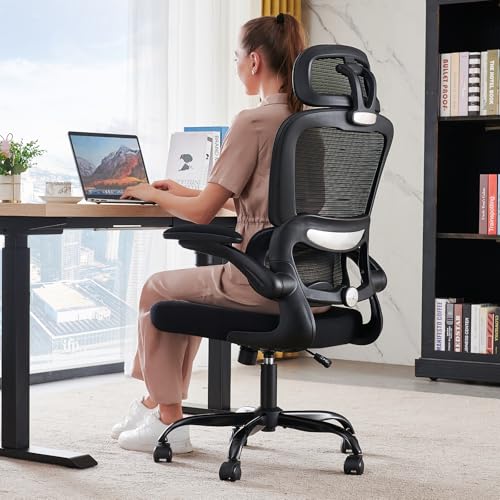
TRALT Office Chair Ergonomic Desk Chair – Gaming Chair with Lumbar Support
- Durable High-Resilience Foam Seat: Maintains shape and comfort over time
- Adjustable Lumbar Support: Customizable to match your spine's curve
- Breathable Mesh Backrest: Ensures airflow and prevents heat buildup
As an affiliate, we earn on qualifying purchases.
As an affiliate, we earn on qualifying purchases.
Key Questions
How do these macro shifts influence CRE investment decisions?
They encourage investors to prioritize resilient, community-oriented, and ecologically sustainable projects that can adapt to societal and technological changes over time.
What are Recoupling Design and Skillization, and why are they important?
Recoupling Design involves moving away from homogenized aesthetics towards authentic, community-driven innovation. Skillization emphasizes designing spaces that promote skill development and personal growth, fostering more engaging and meaningful environments.
Will these trends impact existing CRE assets or only new developments?
Both, as existing assets may need adaptive upgrades to align with new ecological, social, and technological paradigms, while new developments can integrate these macro shifts from the outset.
Are these trends globally uniform or region-specific?
The report indicates that regional, cultural, and economic contexts influence how these trends manifest, meaning strategies should be tailored accordingly.
Source: designboom