
To design an unconference where participants write the agenda, empower attendees to suggest topics, vote, and lead discussions. Use collaborative tools like idea boards or digital platforms to gather input in real-time. Encourage spontaneous session creation and guarantee everyone feels safe to share ideas. Fostering inclusivity and shared ownership boosts engagement and makes the event more meaningful. If you want to learn how to facilitate this dynamic approach fully, keep exploring these strategies.

Get business pricing on monitors, keyboards and dev gear
- Business-only prices and quantity discounts
- Tax-exempt purchasing
- Multiple users, one account, clear invoices
Key Takeaways
- Enable participants to propose and vote on topics, ensuring the agenda reflects their interests and needs.
- Use open suggestion methods like online polls or brainstorming sessions for collaborative agenda creation.
- Incorporate spontaneous session proposals during the event to foster organic and relevant discussions.
- Facilitate shared decision-making to prioritize sessions and build collective ownership of the agenda.
- Communicate clearly about the flexible, participant-driven process to motivate active involvement and engagement.
The Principles Behind Unconference Formats
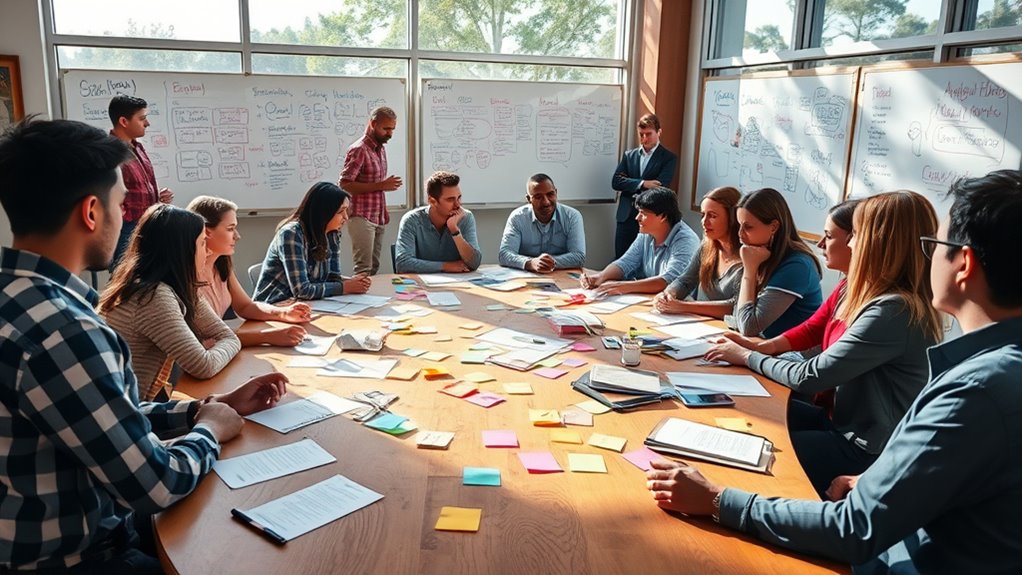
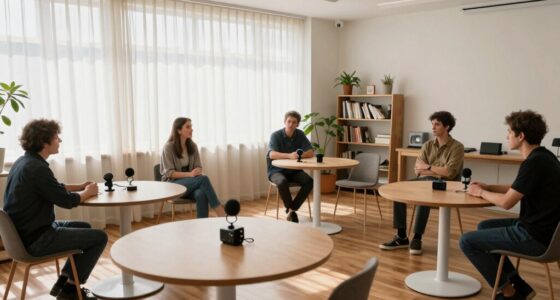
Unconference formats are guided by core principles that prioritize flexibility, participant-driven content, and collaboration. You, as a participant, enjoy a high degree of autonomy in shaping the event. This means you have the power to suggest topics, lead discussions, and influence the agenda directly. Collective decision making is central; everyone contributes to shaping the day’s flow, ensuring the content reflects the group’s interests and needs. This democratized approach fosters engagement and ownership, as attendees are active creators rather than passive listeners. The emphasis on participant autonomy encourages diverse perspectives and spontaneous idea sharing. Additionally, understanding sound recording techniques and equipment can empower participants to contribute more effectively to technical discussions, enhancing the overall collaborative experience. Ultimately, these principles create an environment where collaboration thrives, and the unconference evolves organically based on what participants find most valuable.
Engaging Participants in Agenda Creation
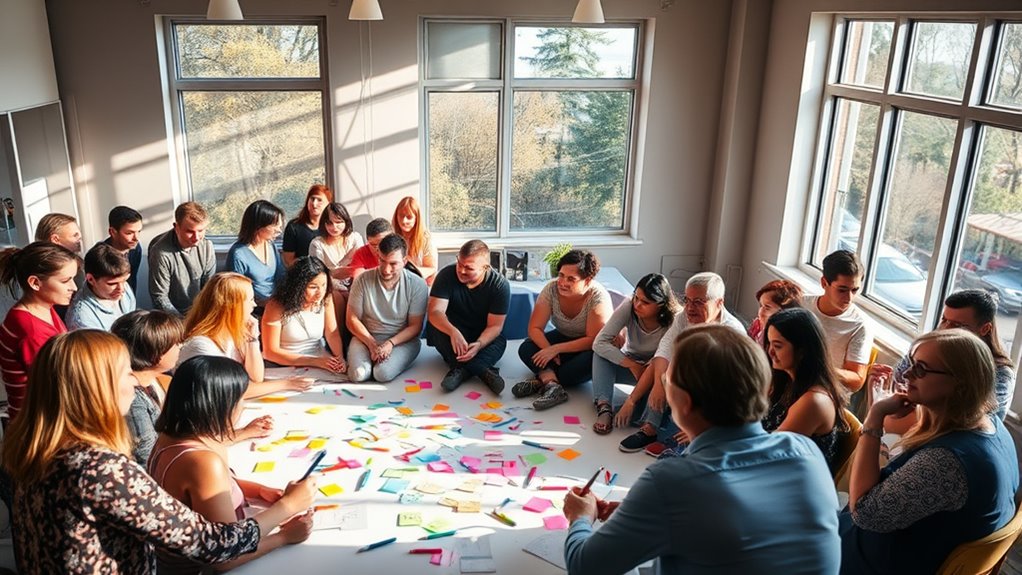
How can you effectively engage participants in creating the agenda? The key is to boost participant motivation by making them feel their input truly matters. Encourage everyone to propose topics and vote on ideas, which fosters a sense of ownership. When participants shape the agenda, session diversity naturally increases, reflecting a broader range of interests and expertise. Keep the process simple and transparent—use open discussions or online polls to gather suggestions. Highlight that their contributions directly influence the event’s flow, motivating continued involvement. By emphasizing collaboration and inclusivity, you create an environment where participants are enthusiastic to contribute, ensuring the agenda is dynamic, relevant, and representative of the group’s collective knowledge. Incorporating elements like music therapy or sound healing can also inspire creative thinking and enhance the overall experience. This approach transforms attendees into active co-creators.
Tools and Techniques for Co-Designing Events

You can enhance your event planning by using collaborative strategies that involve all participants from the start. Digital co-creation tools make it easier to gather ideas and build consensus in real time. These techniques empower everyone to contribute, ensuring the event reflects collective input. Incorporating remote hackathons can also expand participation and bring in diverse perspectives from around the world.
Collaborative Planning Strategies
Effective collaborative planning for unconference events hinges on utilizing a variety of tools and techniques that foster input from all participants. You should prioritize methods that promote participant autonomy, allowing individuals to shape the agenda and suggest topics freely. Establish clear processes for co-creating sessions, emphasizing session flexibility so participants can adapt or shift topics as discussions evolve. Use collaborative brainstorming sessions or idea boards to gather input early on, ensuring everyone’s voice is heard. Encourage open dialogue and shared decision-making to build a sense of ownership. By empowering participants to take charge of their involvement and maintaining adaptable structures, you create an environment where collective insights thrive and the event remains responsive to everyone’s interests. Additionally, understanding the importance of attention to detail can help organizers identify potential areas for improvement and ensure a smooth planning process.
Digital Co-Creation Tools
Digital co-creation tools have become essential for designing unconference events that are collaborative and dynamic. They enable virtual collaboration, allowing participants to contribute regardless of location. These tools facilitate real-time feedback, giving everyone the opportunity to refine ideas instantly. Platforms like online whiteboards, polling apps, and shared documents help participants brainstorm, prioritize, and shape the agenda together. Using these tools, you can gather diverse input quickly and adapt the event’s flow on the fly. They promote transparency and inclusivity, ensuring all voices are heard. By integrating digital co-creation tools, you create an environment where attendees feel empowered to actively shape the experience, making the unconference more engaging, democratic, and responsive to participants’ needs. Additionally, understanding the importance of juice cleanse and detox can inspire creative ways to refresh and energize participants during the event.
Benefits of Participant-Driven Sessions
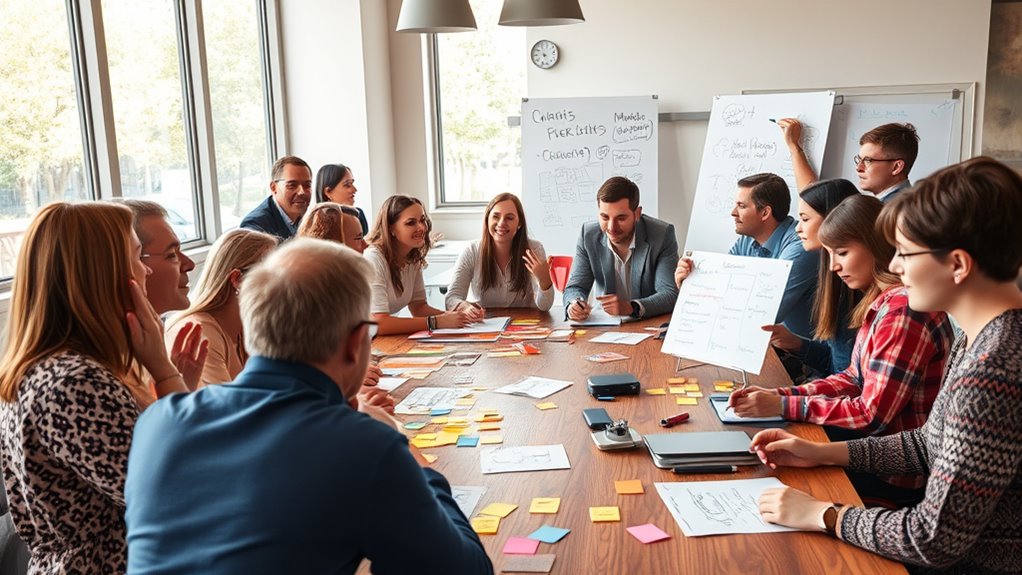
Participant-driven sessions boost engagement by encouraging everyone to contribute actively. They also bring in diverse perspectives that might not surface in traditional formats. Plus, participants often feel a stronger sense of ownership over the outcomes, making the event more meaningful. Incorporating best practices can further enhance the effectiveness of these sessions.
Increased Engagement Opportunities
When sessions are participant-driven, attendees have more opportunities to actively shape the conversation, leading to higher engagement levels. This setup fosters participant empowerment, giving everyone a voice in the discussion. As people contribute ideas and ask questions, they become more invested in the session’s outcome. The open format encourages creative collaboration, where diverse perspectives flow freely. Participants feel more motivated to share their insights because they see their input directly influencing the agenda. This sense of ownership makes sessions more dynamic and interactive. With everyone involved in defining the topics, engagement naturally increases. You’ll notice attendees are more attentive, enthusiastic, and willing to contribute, creating a lively and productive environment that benefits all. Incorporating vetted products and best practices can further enhance participant involvement and satisfaction.
Diverse Perspectives Shared
Have you ever noticed how sessions that encourage everyone to share their ideas often lead to richer discussions? When participants contribute from different cultural backgrounds, you gain a variety of perspectives that can challenge assumptions and spark creativity. This cultural diversity enriches conversations, making the session more insightful and inclusive. However, language barriers can sometimes slow down communication or cause misunderstandings. By designing participant-driven sessions, you create a space where diverse voices can be heard, even if language differences exist. Encouraging everyone to share their unique viewpoints fosters a more dynamic environment. When people feel safe to express themselves, the group benefits from a broader range of insights, leading to more innovative solutions and deeper understanding across cultural lines. Additionally, business strategies such as embracing diverse perspectives can enhance organizational adaptability and success.
Enhanced Ownership Feelings
Ever notice how people take more initiative when they feel a sense of ownership? When you let participants write the agenda, you boost participant empowerment, giving them control over the topics that matter most. This ownership motivation drives them to engage more deeply, contribute ideas, and stay committed throughout the session. By involving participants in shaping the content, you foster a sense of responsibility and investment in the outcome. This increased ownership not only energizes the group but also leads to richer discussions and better learning. When people feel that their input truly shapes the experience, they’re more likely to stay motivated and proactive. Incorporating participant-driven sessions can further enhance engagement by aligning activities with their interests and needs. Ultimately, participant-driven sessions create a feeling of shared ownership that enhances engagement and makes the conference more meaningful for everyone involved.
Overcoming Challenges in Unconference Planning
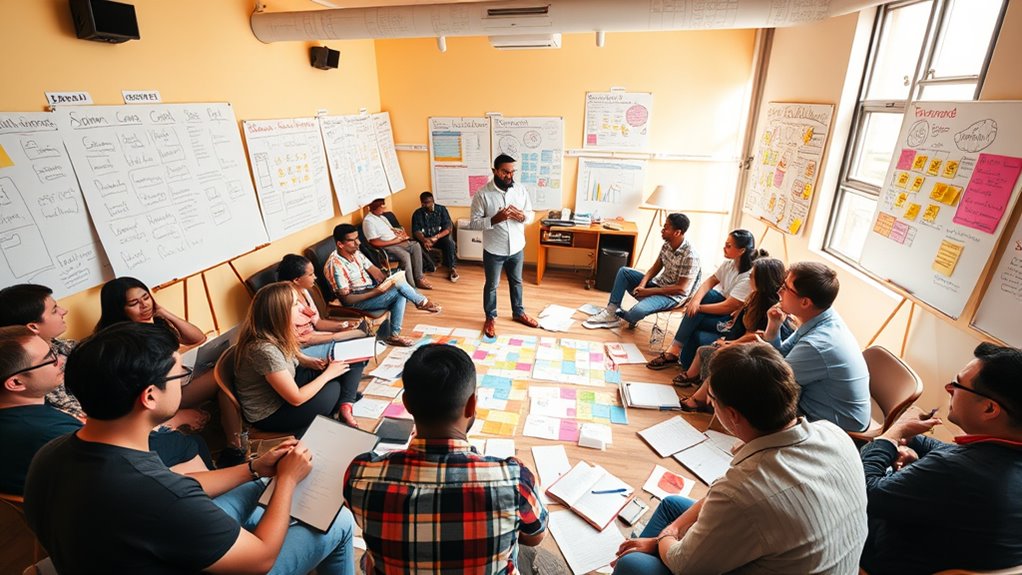
Planning an unconference can present several unique challenges, from ensuring participant engagement to managing flexible agendas. You need to keep participant motivation high, which requires creating an environment where everyone feels valued and enthusiastic to contribute. Without a fixed agenda, logistical coordination becomes more complex, as you’ll need to facilitate spontaneous session creation and adapt plans on the fly. To overcome these hurdles, communicate clearly about the unconference’s purpose and encourage early involvement. Use simple tools for scheduling sessions and provide guidance to help participants feel confident in proposing topics. It’s also essential to foster a collaborative atmosphere, making participants feel their input truly shapes the event. Additionally, understanding the importance of participant engagement and how to maintain it is crucial for success. With proactive planning and open communication, you can navigate these challenges successfully.
Case Studies of Successful Participant-Led Events
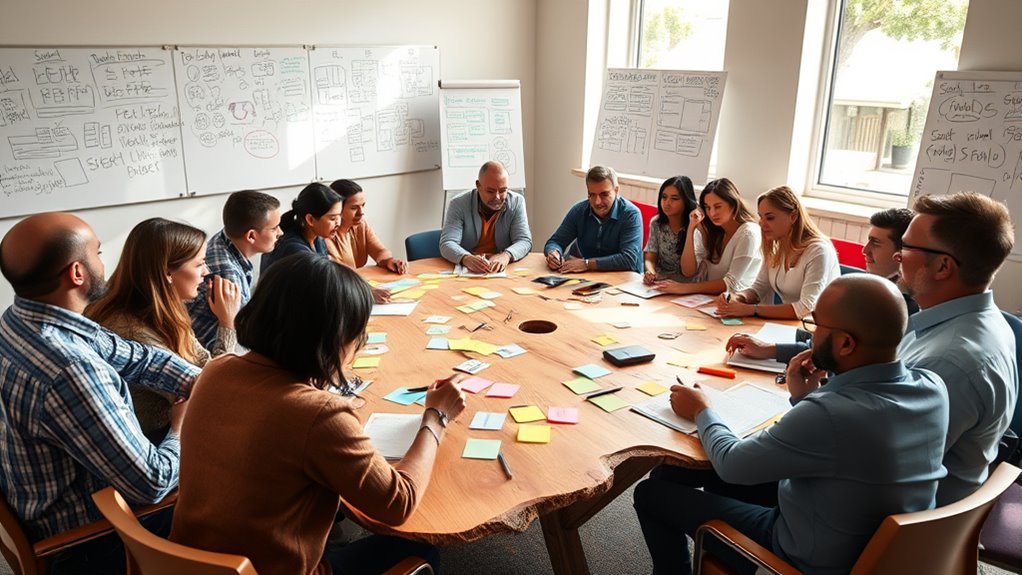
Successful participant-led events demonstrate how openness and collaboration can create powerful learning experiences. In these cases, participant empowerment is key—attendees take charge of setting the agenda, which boosts engagement and investment. For example, at a community tech unconference, participants proposed and organized sessions spontaneously, allowing the event to adapt in real time. This session spontaneity encouraged diverse perspectives and fostered deeper conversations. Another case involved a professional development unconference where participants identified topics on the spot, leading to highly relevant discussions. These events show that when you let attendees drive the agenda, they feel more invested and motivated. The result is a dynamic, inclusive environment where learning is shaped by those most involved, making the experience more meaningful and impactful for everyone.
Tips for Facilitating Dynamic and Inclusive Discussions
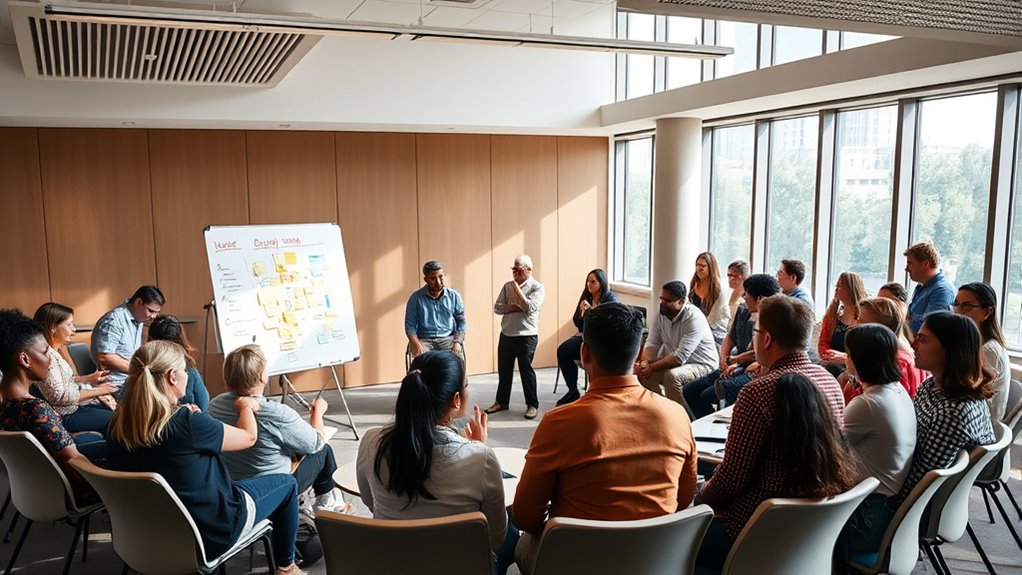
Creating dynamic and inclusive discussions requires intentional facilitation that encourages participation from everyone. Start with icebreaker activities to build trust and ease nerves, helping participants feel comfortable sharing. Use visual facilitation techniques, like sticky notes or whiteboards, to make ideas tangible and accessible. As a facilitator, actively invite quieter voices and manage dominant speakers to balance the conversation. Keep discussions focused yet flexible, allowing organic flow while ensuring all perspectives are heard. Incorporate visual tools to clarify complex ideas and maintain engagement. Remember, your role is to create a safe space where everyone feels valued and motivated to contribute. By intentionally structuring discussions with these tips, you foster a lively, inclusive environment where diverse insights thrive.
Frequently Asked Questions
How Do You Ensure Diverse Topics Are Covered Spontaneously?
To guarantee diverse topics are covered spontaneously, you should focus on facilitator training that emphasizes agenda flexibility. Encourage participants to suggest topics freely, and as a facilitator, stay adaptable to shift the flow based on their interests. By fostering an open environment and being prepared to pivot, you allow a wide range of ideas to surface naturally, enriching the conversation and ensuring varied topics are explored without strict agendas.
What Strategies Encourage Quieter Participants to Contribute Ideas?
Think of quiet participants as hidden gems waiting to shine. To encourage their ideas, you can use icebreaker activities that make everyone comfortable and foster trust. Small group discussions create a safe space where quieter voices are easier to hear and share. By gently inviting input and ensuring inclusive facilitation, you help all participants feel valued, turning silent moments into vibrant exchanges of ideas.
How Is the Quality of Sessions Maintained Without Pre-Planning?
You maintain session quality through effective session facilitation, even without pre-planning. Encourage attendees to prepare by sharing topics beforehand, which sparks relevant discussions. During the session, facilitate actively by guiding conversations and guaranteeing everyone has a voice. Set clear goals and keep the discussion focused. Your proactive facilitation, combined with attendee preparation, ensures sessions stay valuable, engaging, and productive, regardless of the spontaneous agenda.
What Are Common Pitfalls in Participant-Led Agenda Creation?
You might face pitfalls like topic censorship, where dominant voices steer the agenda, silencing diverse perspectives. Agenda dominance can occur if a few participants control the flow, limiting varied discussions. To avoid these issues, encourage equal participation and set clear guidelines that prevent any single voice from overpowering others. This way, you guarantee a balanced, inclusive agenda that captures a wide range of ideas without censorship or dominance.
How Do Organizers Balance Participant Input With Event Objectives?
Think of your event as a sailing ship where participant empowerment is the wind and agenda flexibility is the rudder. To keep it on course, you need to steer carefully, integrating valuable participant input without losing sight of your goals. Encourage open dialogue, set clear boundaries, and adapt as needed, ensuring the agenda remains dynamic yet aligned with your event objectives. This balance keeps the journey productive and engaging for everyone.
Conclusion
By embracing participant-driven agendas, you foster engagement, encourage collaboration, and empower creativity. You create space for diverse voices, spark innovative ideas, and build a sense of ownership. You shift from static planning to dynamic co-creation, from rigid schedules to flexible exploration, from passive listening to active participation. In doing so, you transform events into vibrant communities, where learning flourishes, connections deepen, and everyone’s voice truly matters.
Halloween Picks
halloween
As an affiliate, we earn on qualifying purchases.