

Even with a perfect agenda, your workshop can fail if the timing doesn’t match participants’ energy levels, external factors, or venue accessibility. People tend to lose focus during low-energy periods, and late or poorly accessible venues cause delays and distractions. Back-to-back sessions or long breaks can also dampen engagement. If you want to find out how to optimize your schedule and boost participation, keep exploring these key considerations.

Get business pricing on monitors, keyboards and dev gear
- Business-only prices and quantity discounts
- Tax-exempt purchasing
- Multiple users, one account, clear invoices
Key Takeaways
- Participant engagement fluctuates during the day, so timing sessions without considering energy peaks causes reduced focus.
- Poor venue location and accessibility lead to punctuality issues, undermining well-planned schedules.
- A flexible agenda can falter if scheduled during low-energy periods, affecting content absorption.
- External factors like transportation disruptions or nearby amenities influence punctuality and session effectiveness.
- Misalignment between workshop timing and participants’ routines diminishes involvement, regardless of agenda quality.
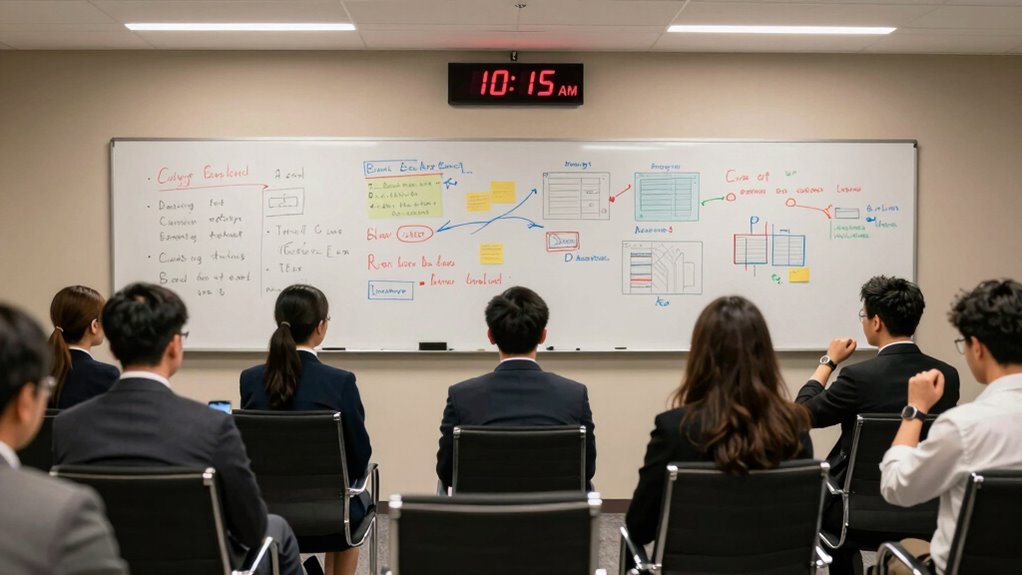
Have you ever wondered why some workshops seem to drag on or start at the worst possible time? Even when you’ve meticulously planned the agenda, something still feels off. The truth is, timing isn’t just about fitting everything into a schedule; it’s about understanding how external factors influence participation and overall success. One common mistake is neglecting how participant engagement fluctuates throughout the day. If you schedule intensive sessions early in the morning or late in the afternoon, you risk losing your audience’s focus. People naturally hit their energy lows at certain times, and if you ignore these rhythms, even the most valuable content can fall flat. Recognizing when your participants are most alert and designing your timing around that can considerably boost engagement.
Scheduling sessions during peak energy times maximizes engagement and keeps participants focused.
Another overlooked aspect is venue selection, which directly impacts workshop timing’s effectiveness. A poorly chosen venue can make attendees arrive late, leave early, or become distracted. For instance, if your venue is difficult to access or located in a busy area with frequent interruptions, your scheduled start time may not matter—participants might struggle to arrive on time or be mentally present. Conversely, a well-located venue with comfortable amenities and a welcoming atmosphere encourages punctuality and sustained engagement. When your venue promotes comfort and ease of access, it aligns better with your timing strategy, ensuring participants are attentive and involved. Additionally, considering venue accessibility can help you better synchronize your schedule with participants’ routines. Being aware of external factors like transportation options or nearby amenities can further optimize your planning, especially when considering off-road transportation options like electric bikes or bikes for sustainable commuting.
It’s also easy to fall into the trap of assuming that a flexible agenda can compensate for poor timing. But even the most engaging content can falter if participants are tired, distracted, or disengaged at specific times. Timing affects not just when you hold sessions but also how participants perceive and absorb the information. You want to avoid scheduling back-to-back sessions that exhaust attendees or breaks that are too long, causing them to lose momentum. Instead, plan your timing with a balance—allowing enough breaks to recharge and scheduling content during peak engagement periods. Incorporating appropriate pacing and considering participant fatigue can make a significant difference in workshop success. Recognizing participant energy levels and adjusting your schedule accordingly can ensure sustained interest and effectiveness. Moreover, understanding psychological factors such as attention span and motivation can help you craft a more tailored and impactful schedule.
Ultimately, successful workshop timing depends on understanding your audience’s natural rhythms and choosing your venue wisely. When you get these elements right, your agenda’s quality shines through because your participants are more energized and involved. Even the most perfect agenda can fail if it’s misaligned with timing considerations. So, before finalizing your schedule, think about the daily energy patterns of your audience and the accessibility of your venue. When these pieces come together seamlessly, your workshop can be a truly engaging experience that leaves a lasting impact.
As an affiliate, we earn on qualifying purchases.
Frequently Asked Questions
How Can I Determine the Optimal Workshop Duration?
To determine the ideal workshop duration, start by evaluating your goals and participant engagement strategies. Use time management techniques like breaks and varied activities to keep energy levels high. Consider your audience’s attention span and the complexity of topics. Test different lengths through feedback and adjust accordingly. This approach helps you find a balance, ensuring your workshop is productive without causing fatigue, so engagement stays strong throughout.
What Are Common Signs of Poor Workshop Timing?
You’ll notice poor workshop timing when activities like icebreaker activities drag on too long or when visual aids aren’t used effectively, causing participants to lose focus. If sessions run over or feel rushed, it’s a sign the timing isn’t suitable. Pay attention to participant engagement and energy levels—if they dip during certain segments, adjust your schedule. Proper pacing ensures everyone stays involved and the workshop’s goals are met efficiently.
How Do Participant Energy Levels Affect Timing Effectiveness?
Your participant energy levels directly impact timing effectiveness. When energy dips, focus wanes, and delays occur, disrupting your schedule. Conversely, when engagement peaks, participants stay alert and contribute actively, helping you stick to your timeline. To optimize timing, plan breaks for energy dips and schedule high-energy activities during peak periods. Monitoring energy levels allows you to adjust dynamically, ensuring your workshop remains productive and well-paced throughout.
Should Breaks Be Scheduled at Specific Intervals?
Think of your workshop as a garden that needs watering at just the right times. Yes, breaks should be scheduled at specific intervals to match attention span. When you do this, participants stay refreshed and engaged, preventing mental fatigue from creeping in like weeds. Proper break scheduling keeps energy levels high, ensuring your workshop flows smoothly and participants absorb more, making the entire experience fruitful and impactful.
How Can Feedback Improve Future Workshop Timing?
Feedback mechanisms help you identify timing issues that might not be obvious during planning. By actively seeking participant insights, you can spot when sessions feel rushed or dragged. Incorporating this feedback allows you to modify scheduling flexibility, making future workshops more engaging and productive. Regularly refining your approach based on feedback ensures you optimize timing, creating a smoother experience that better meets everyone’s needs.
As an affiliate, we earn on qualifying purchases.
Conclusion
Even with a flawless agenda, timing can still go awry. Studies show that 65% of workshops run over schedule, often because of underestimated discussions or unforeseen questions. So, it’s essential to build in buffer time and stay flexible. Remember, a well-timed workshop isn’t just about sticking to the clock but ensuring participants stay engaged and leave with value. Keep your schedule realistic, and you’ll create a more productive, enjoyable experience for everyone involved.
As an affiliate, we earn on qualifying purchases.
As an affiliate, we earn on qualifying purchases.
Fall Picks
fall essentials
As an affiliate, we earn on qualifying purchases.