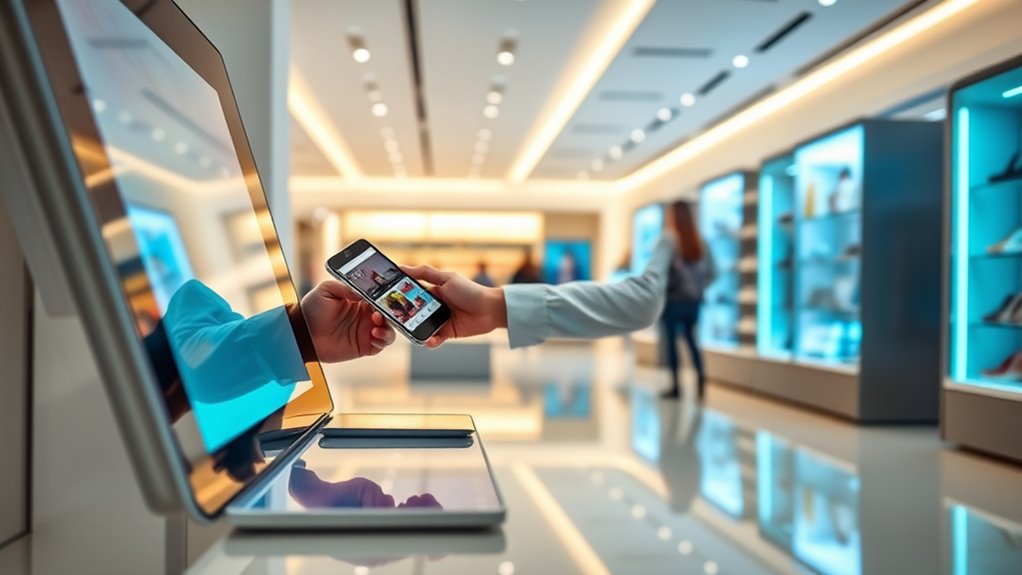

To design seamless omnichannel experiences, focus on connecting all your touchpoints for a unified customer journey. Use personalized strategies by gathering data to tailor content and interactions across channels, ensuring relevance and consistency. Integrate your technology systems, like CRM and social media, to enable real-time updates and automated personalized offers. Keep data privacy in mind while maintaining a smooth, trustworthy experience. Understanding these elements more deeply can help you create truly connected services that keep customers engaged.
Key Takeaways
- Develop a unified customer journey by integrating all touchpoints through consistent branding and messaging.
- Utilize personalization strategies to tailor content and offers based on customer data and preferences.
- Implement seamless technology integration, connecting CRM, POS, mobile apps, and social media for real-time updates.
- Prioritize data privacy and transparency to build trust while collecting insights for personalized experiences.
- Continuously analyze and optimize cross-channel interactions to ensure consistency, relevance, and effortless customer engagement.
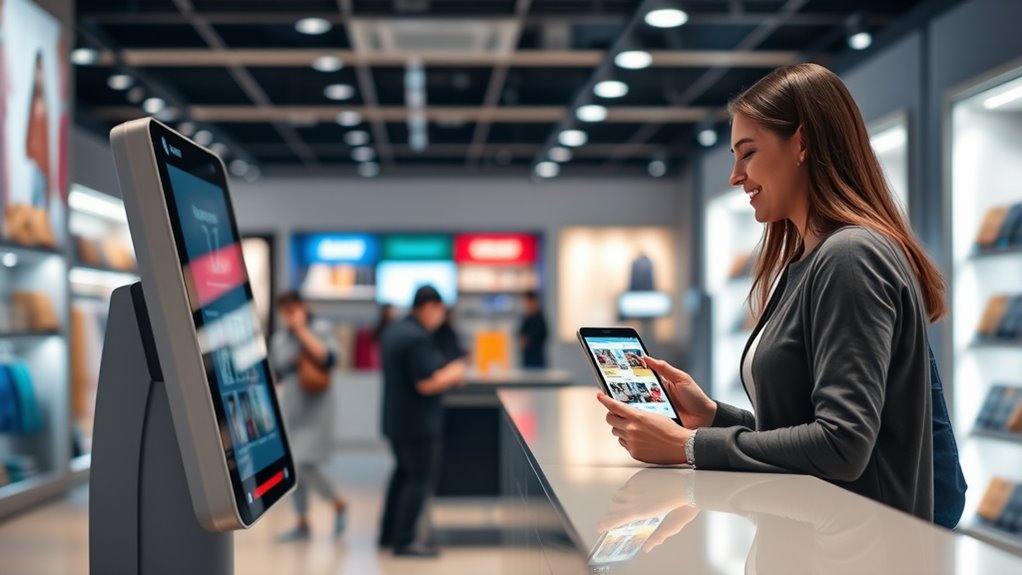
Have you ever wondered how some brands seamlessly connect with you across all touchpoints? It’s like they read your mind, anticipating your needs no matter how or where you interact with them. That’s the power of a well-designed omnichannel experience. Achieving this level of cohesion relies heavily on personalization strategies and technology integration. When brands master these elements, they create a unified journey that feels effortless and natural, no matter if you’re shopping online, visiting a store, or engaging via social media. Personalization strategies are at the heart of this. They involve collecting data about your preferences, behaviors, and interactions to tailor content, offers, and communications specifically for you. This makes each touchpoint relevant and engaging, encouraging you to stay connected with the brand. For example, when you browse a website and see product recommendations that align with your previous searches, it’s a result of these strategies. The key is to guarantee that your experience is consistent and personalized across all channels, fostering trust and loyalty. Additionally, understanding vetted products and services helps brands ensure safety and quality in their offerings.
Technology integration plays an essential role in enabling this seamless connection. It involves combining various systems—such as customer relationship management (CRM), point-of-sale (POS), mobile apps, and social media platforms—so they work together fluidly. When these systems are integrated, your interactions are tracked and updated in real-time, allowing the brand to deliver a cohesive experience. If you start a shopping cart online and then visit a physical store, you might find that the sales associate already knows what you were looking at, thanks to this integration. It eliminates the frustration of having to repeat information or re-explain your preferences. This interconnected technology infrastructure also supports automation, making personalized offers and messages happen instantly based on your current activity. The result is a frictionless journey where every touchpoint feels connected and responsive to your needs.
The challenge for brands is to balance personalization with privacy, ensuring that data collection feels respectful and transparent. When done right, the combination of personalization strategies and technology integration transforms a simple transaction into an engaging, consistent experience that builds trust and loyalty. As a consumer, you benefit from interactions that are intuitive, relevant, and convenient, regardless of the channel you choose. For brands, mastering this integration means staying competitive in a landscape where seamless customer experiences are no longer optional—they’re expected. When you see a brand that makes it easy for you to pick up where you left off, that’s the result of deliberate design, strategic use of data, and technological harmony working together behind the scenes.
CRM software for omnichannel integration
As an affiliate, we earn on qualifying purchases.
As an affiliate, we earn on qualifying purchases.
Frequently Asked Questions
How Do I Measure Omnichannel Customer Satisfaction Effectively?
You can measure omnichannel customer satisfaction effectively by gathering customer feedback through satisfaction surveys across all channels. Make certain your surveys are consistent and cover key touchpoints, so you get a clear picture of the overall experience. Monitor feedback regularly, analyze trends, and look for patterns in customer comments. This approach helps you identify pain points, improve service delivery, and enhance satisfaction across every channel, ensuring a seamless experience.
What Are Common Challenges in Implementing Omnichannel Strategies?
You’ll face challenges like data silos, which block the flow of customer information across channels, making it hard to deliver a unified experience. Technology integration poses another hurdle, as different systems often don’t communicate smoothly. To succeed, you need to break down data silos and guarantee your technology stacks integrate seamlessly, enabling consistent, personalized interactions that meet customer expectations across all touchpoints.
How Can Small Businesses Develop Seamless Omnichannel Experiences?
You can develop seamless omnichannel experiences by focusing on personalized marketing that tailors content to your customers’ preferences across all channels. Guarantee channel consistency by aligning your branding, messaging, and customer service everywhere your customers interact with you. Use integrated tools to unify data and streamline communication, making shifts between online and offline touchpoints smooth. This approach helps build trust, loyalty, and a cohesive experience that keeps customers engaged with your business.
What Tools Are Best for Integrating Multiple Customer Touchpoints?
You should consider tools that offer unified data and cross-platform analytics, like HubSpot, Salesforce, or Zendesk. These tools help you seamlessly integrate customer touchpoints by consolidating data from email, social media, and in-store interactions. With unified data, you get a complete customer view, and cross-platform analytics enable you to track performance across channels, ensuring a consistent experience. This approach boosts engagement and helps you tailor your services effectively.
How Does Omnichannel Impact Overall Brand Loyalty?
Omnichannel boosts your brand loyalty by ensuring brand consistency across all touchpoints, making customers feel confident and connected. When you deliver seamless experiences, it enhances customer engagement, encouraging repeat business and positive word-of-mouth. By providing a unified brand presence, you build trust and foster long-term relationships. This consistency across channels makes customers more likely to choose your brand over competitors, strengthening loyalty and increasing lifetime value.

Customer Data Platforms: Use People Data to Transform the Future of Marketing Engagement
As an affiliate, we earn on qualifying purchases.
As an affiliate, we earn on qualifying purchases.
Conclusion
By integrating channels seamlessly, you create an experience where every touchpoint flows like a smooth river, guiding your customers effortlessly. When you design with omnichannel in mind, you turn your service into a unified journey rather than isolated islands. This harmony builds trust and loyalty, making your brand feel like a familiar friend rather than a stranger. Remember, a well-crafted omnichannel experience isn’t just a strategy—it’s the bridge that connects your audience to your brand’s heart.
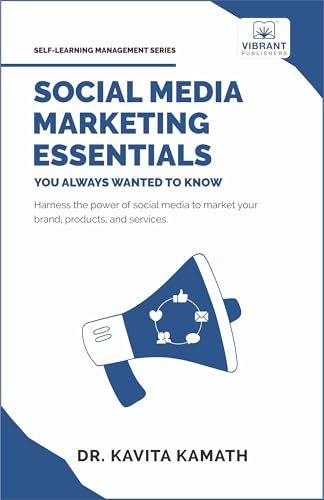
Social Media Marketing Essentials You Always Wanted To Know: A Beginner’s Guide to Social Media Strategies, Content Creation, and Platform-Specific Marketing
As an affiliate, we earn on qualifying purchases.
As an affiliate, we earn on qualifying purchases.

Datio POS System for 10-inch Amazon Fire Tablet Complete Cash Register with Receipt Printer, Cash Drawer, and Stand for Small Business, Retail, Restaurant, Salon
$64/month Subscription Required, includes Software, Updates, Support and Warranty. No long term contract required.
As an affiliate, we earn on qualifying purchases.
As an affiliate, we earn on qualifying purchases.