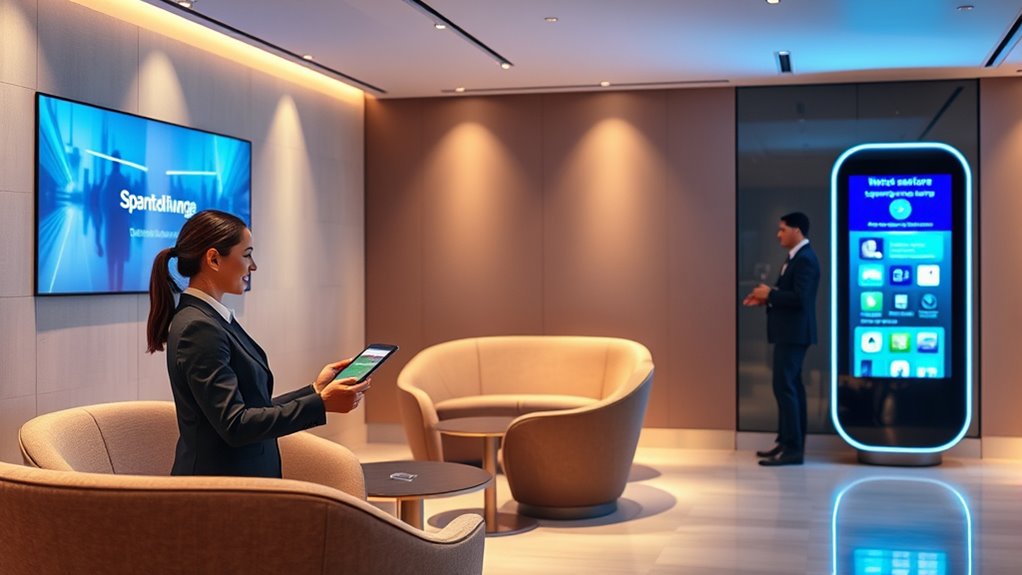

Proactive service design means using customer feedback and advanced analytics to anticipate their needs before they ask. You can analyze patterns and emerging issues early, automating personalized solutions and alerts. This approach helps prevent problems, improves satisfaction, and builds loyalty. By embracing technology thoughtfully, you turn insights into timely, tailored experiences. Keep exploring how integrating these strategies transforms customer interactions and fosters long-term trust.
Key Takeaways
- Utilize customer feedback analytics to identify emerging needs and pain points proactively.
- Implement machine learning tools to predict customer behavior and potential issues before they arise.
- Automate real-time alerts for service teams to address problems immediately, preventing escalation.
- Design services that adapt continuously based on ongoing feedback, enhancing personalization and satisfaction.
- Foster a mindset that views feedback as a strategic asset, guiding proactive improvements and building trust.

Have you ever wondered how some companies anticipate customer needs before they even arise? The secret lies in proactive service design, where understanding your customers and leveraging technology plays a pivotal role. By focusing on customer feedback, you can gain invaluable insights into what your clients truly want and need, often before they voice it themselves. When you actively listen to your customers through surveys, reviews, or direct interactions, you uncover patterns and pain points that might not be immediately obvious. This feedback becomes the foundation for improving your services and predicting future demands. Instead of waiting for complaints or requests, you can proactively address issues, streamline processes, and introduce enhancements that delight your customers and foster loyalty.
Proactively addressing customer needs through feedback and technology builds loyalty and anticipates future demands.
Technology integration is another essential element. It allows you to analyze customer feedback at scale, identify trends, and automate personalized experiences. For example, using data analytics tools, you can sift through vast amounts of feedback to spot emerging needs or dissatisfaction areas. Machine learning algorithms further enhance this process by predicting customer behavior based on their interactions, purchase history, or service usage. This predictive capability means you can preempt problems and offer tailored solutions even before a customer asks for help. Imagine proactively reaching out with relevant suggestions or assistance, creating a seamless experience that feels intuitive and attentive.
Implementing these strategies requires a mindset shift. You need to see customer feedback not just as reactive data but as a vital tool to shape your service design. When you integrate technology thoughtfully, you can automate routine tasks, freeing up your team to focus on strategic improvements. Automated alerts or dashboards can notify you of potential issues in real-time, allowing immediate action. This proactive approach minimizes disruptions, increases customer satisfaction, and positions your company as a forward-thinking leader in your industry.
Moreover, technology integration enables continuous improvement. As new feedback comes in, your systems can adapt and refine your service offerings accordingly. You’re not just reacting to problems—you’re predicting and preventing them. This proactive stance builds trust, demonstrating that you genuinely care about your customers’ experience. When customers see that your company anticipates their needs, they feel valued and understood. Over time, this creates a cycle of loyalty and advocacy, as your services become increasingly aligned with their expectations.
In essence, proactive service design is about transforming customer insights into strategic actions. By harnessing customer feedback and integrating advanced technology, you can stay ahead of the curve. This approach empowers you to deliver services that are not only responsive but anticipatory, ensuring your customers feel heard, valued, and satisfied long before they even ask for assistance. Additionally, leveraging customer feedback effectively can help identify service gaps and opportunities for innovation, further strengthening your competitive edge.

XOPPOX Graphics Drawing Tablet, 10×6 Inch Large Active Area with Battery-Free Stylus, 8192 Levels of Pen Pressure and 12 Hot Keys, Compatible with PC/Mac/Android for Painting, Design & Online Teaching
【Broad Compatibility】XOPPOX upgraded drawing tablet is compatible with Windows XP/7/8/10/11, Android 4.4 and above, and macOS 11 or...
As an affiliate, we earn on qualifying purchases.
Frequently Asked Questions
How Can Businesses Measure the Success of Proactive Service Strategies?
You can measure the success of proactive service strategies by gathering customer feedback to gauge satisfaction and identify areas for improvement. Monitor service personalization metrics to see how well your tailored offerings meet individual needs. Track repeat business, referral rates, and customer loyalty scores, as these indicators reflect the effectiveness of anticipating and fulfilling customer expectations. Consistent positive feedback and high personalization scores show your proactive approach is resonating well.
What Industries Benefit Most From Proactive Service Design?
Imagine walking into a store where everything feels tailored just for you—that’s how industries like retail, hospitality, and healthcare benefit most from proactive service design. You can leverage personalization strategies and customer journey mapping to anticipate needs before they surface. This approach builds loyalty, reduces friction, and enhances experiences, turning ordinary interactions into memorable moments. These industries thrive because they understand that anticipating customer needs creates a competitive edge.
How Do You Train Staff to Anticipate Customer Needs Effectively?
You train staff to anticipate customer needs by fostering customer empathy and empowering them with knowledge and decision-making skills. Encourage active listening and role-playing scenarios to help staff understand customer perspectives. Provide ongoing training on new products, services, and common customer challenges. When staff feels empowered, they’re more confident in offering proactive solutions, creating a seamless experience that anticipates needs before customers even ask.
What Are Common Challenges in Implementing Proactive Service Models?
Around 70% of customers say personalized service influences their loyalty, yet implementing proactive models faces hurdles. You might struggle with gathering accurate customer feedback, which is vital for service personalization. Additionally, staff may resist change or lack training to anticipate needs effectively. Balancing automation with genuine human interaction also proves tricky. Overcoming these challenges requires clear communication, continuous training, and a focus on using feedback to tailor experiences proactively.
How Does Technology Facilitate Proactive Customer Service?
Technology enables you to deliver proactive customer service through predictive analytics and real-time monitoring. Predictive analytics helps you anticipate customer needs based on past behavior, allowing you to offer solutions before issues arise. Real-time monitoring provides immediate insights into customer interactions, so you can respond swiftly. Together, these tools empower you to personalize experiences, prevent problems, and build stronger relationships, making your service more efficient and customer-focused.

PicassoTab A10 Drawing Tablet • No Computer Needed • Stylus Pen, Pro Drawing Apps & Tutorials • 10" Screen, 6GB+128GB, Android 14 • Portable, Standalone for Digital Graphic Artist, Student • A10
🎨 COMPACT STANDALONE DRAWING TABLET - READY TO USE ANYWHERE: The A10 is lightweight and portable, perfect for...
As an affiliate, we earn on qualifying purchases.
Conclusion
By designing services proactively, you stay ahead of your customers’ needs and create smoother experiences. You anticipate issues before they arise, turning potential problems into opportunities for delight. Isn’t it better to surprise your customers with solutions rather than wait for complaints? When you embrace proactive service design, you build trust, loyalty, and a reputation for exceptional care. So, why wait for problems when you can prevent them and elevate your service today?
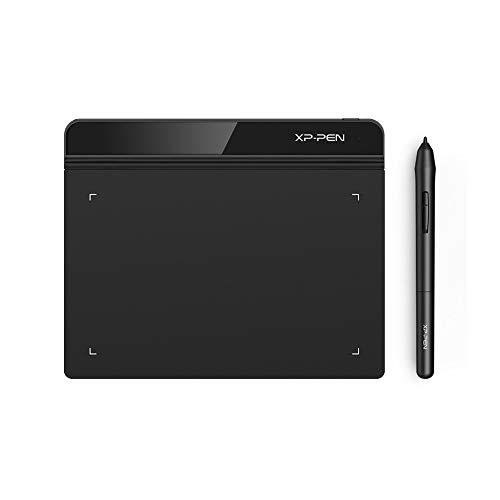
Drawing Tablet XPPen StarG640 Digital Graphic Tablet 6x4 Inch Art Tablet with Battery-Free Stylus Pen Tablet for Mac, Windows and Chromebook (Drawing/E-Learning/Remote-Working)
Battery-Free Pen: StarG640 drawing tablet is the perfect replacement for a traditional mouse! The XPPen advanced Battery-free PN01...
As an affiliate, we earn on qualifying purchases.
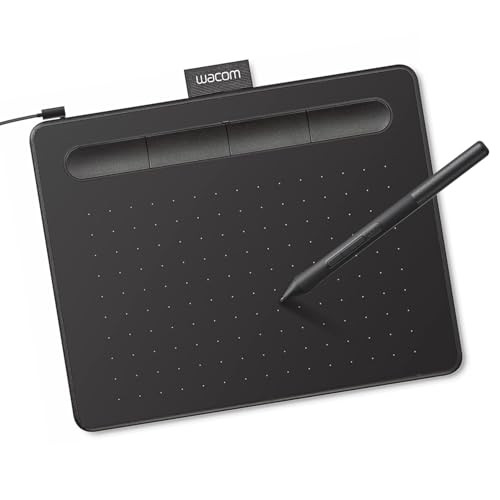
Wacom Intuos Small Graphics Drawing Tablet, Includes Training & Software; 4 Customizable ExpressKeys Compatible with Chromebook Mac Android & Windows, Black
Wacom Intuos Small Graphics Drawing Tablet: Enjoy industry leading tablet performance in superior control and precision with Wacom's...
As an affiliate, we earn on qualifying purchases.