
📊 Full opportunity report: DDR5 Now, DDR6 Soon: A Buyer’s Field Guide on ThorstenMeyerAI.com — validation score, market gap, and execution plan.

Get monitors, keyboards and dev gear delivered free — and shop member deals
- Fast, free delivery on millions of items
- Access to Prime Big Deal Days deals on October 6–7
- Prime Video, Amazon Music and more included
TL;DR
DDR5 memory remains the best choice for 2026 builds, with prices stable and performance sufficient for most users. DDR6 is not yet practical for mainstream purchases and will arrive fully later, making waiting unwise for most buyers.
DDR5 memory remains the recommended choice for most PC builds in 2026, with prices stable and performance suitable for gaming, content creation, and general use. Meanwhile, DDR6 is still in development, with mainstream adoption not expected until 2027, making waiting generally unadvisable for typical buyers.
Market forecasts indicate that DDR5 prices are unlikely to decrease significantly before 2028, and the next quarter may see prices rise due to ongoing shortages and demand. DDR6, which promises higher bandwidth through architectural improvements, is not yet available for consumer systems and will require new platforms with dedicated controllers and physical modules.
For current builds, experts recommend DDR5-6000 CL30 kits as the sweet spot for performance and price, avoiding the premium for higher speeds that offer minimal real-world gains. Capacity-wise, 32GB remains sufficient for most users, with 64GB recommended for heavy multitasking or content creation. Buying excessive capacity, such as 128GB, is discouraged given current prices and unused potential.
Attempting to save money by sticking with DDR4 is no longer viable, as DDR4 is being phased out and now costs roughly the same as DDR5 per gigabyte. Building on DDR4 now risks future incompatibility and limited upgrade paths.
DDR6, which features a new architecture with four 24-bit sub-channels and speeds up to 17,600 MT/s, will not be backward compatible with DDR5 and requires new CPUs, chipsets, and modules. Its rollout is staged, starting with enterprise and AI servers in 2026–27, with mainstream desktop adoption expected around 2027, and broad availability not until 2030.
DDR5 now, DDR6 soon
A buyer’s field guide. The 20-year instinct — wait for prices to drop, or wait for the next generation — is broken this cycle. Buy the DDR5 you actually need now; don’t wait for DDR6. Here’s the reasoning.
Driven to end-of-life, production slashed. Same money, dead-end socket. Leave a working DDR4 box alone — but never start a new build on DDR4 to “save.”
A framework, not a gamble. Buy the DDR5 you need now, at the sweet spot, in the capacity you’ll actually use — don’t buy DDR4, don’t wait for DDR6. The two costliest mistakes in this market are the ones that feel prudent: waiting for a price drop that isn’t coming, and waiting for a next-gen part that launches dearer than what’s on the shelf. Next: The SSD Squeeze.
Why Most Buyers Should Not Wait for DDR6 in 2026
For most consumers, waiting for DDR6 is a poor decision because it will arrive at a premium cost, on new platforms, and after a significant delay. Investing in DDR5 now ensures compatibility with current and upcoming systems, offers good performance, and avoids the higher costs and limited capacities associated with early DDR6 modules. Delaying purchases risks missing out on platform upgrades and performance improvements in CPUs and GPUs.
As an affiliate, we earn on qualifying purchases.
Current Market Trends and Future DDR Memory Developments
Memory prices have remained high throughout 2026, with forecasts suggesting no significant decline before 2028. DDR5 has become the standard for new builds, with widespread adoption and mature ecosystem support. DDR6, which promises substantial bandwidth improvements, is still in development, with standards finalized but modules and compatible hardware not yet available for mainstream consumers. The transition from DDR4 to DDR5 has largely completed, and DDR4 is now an obsolete platform for new builds.
“DDR6 will require entirely new platforms, and early modules will come with a hefty price tag, making it unsuitable for most users in 2027.”
— Industry sources
As an affiliate, we earn on qualifying purchases.
Uncertainties Around DDR6 Release and Compatibility
While DDR6 standards have been finalized, actual modules, compatible CPUs, and motherboards are still in development, with no confirmed release dates for consumer-grade hardware. Early adopters may face stability issues, limited capacities, and high costs. The timeline for widespread adoption remains uncertain, with broad availability unlikely before 2030.
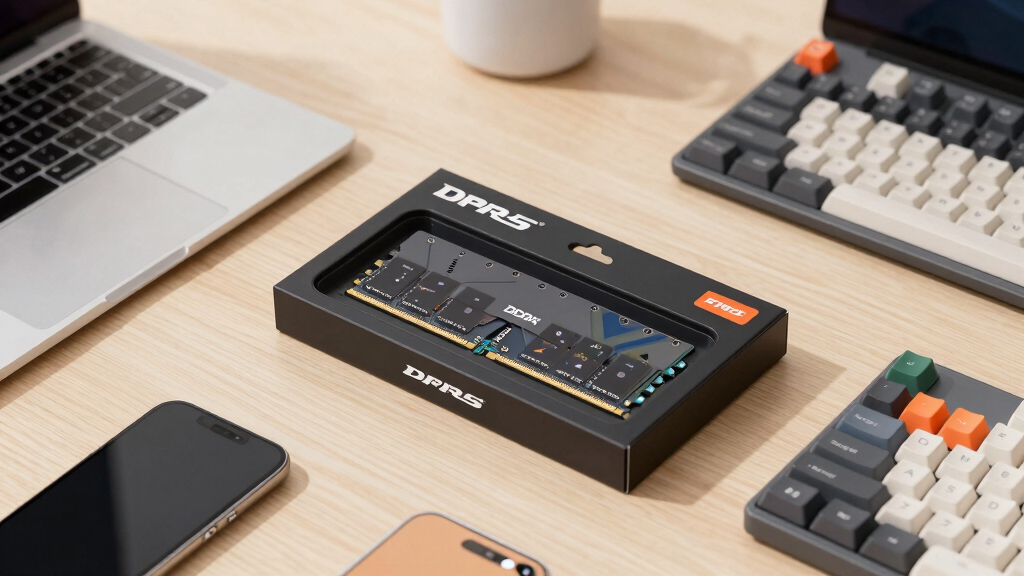
high performance DDR5 RAM for gaming
As an affiliate, we earn on qualifying purchases.
As an affiliate, we earn on qualifying purchases.
Next Steps for PC Builders and Upgraders in 2026
Consumers should focus on building or upgrading with DDR5-6000 CL30 kits, balancing performance and cost. Monitoring JEDEC standards and motherboard compatibility lists for DDR6 developments is advisable, but most should plan to adopt DDR6 only when it becomes mainstream around 2027 or later. Platform upgrades should be timed with CPU and GPU releases to maximize performance gains.
As an affiliate, we earn on qualifying purchases.
Key Questions
Should I buy DDR4 now to save money?
No. DDR4 is being phased out, and new builds should use DDR5 for future compatibility and performance. DDR4 now costs roughly the same as DDR5 per gigabyte, making it an outdated choice for new systems.
Is DDR6 worth waiting for in 2026?
Most users should not wait for DDR6, as it will arrive later, at a higher cost, and only on new platforms. DDR5 offers excellent performance for current needs, with DDR6 reserved for specialized workloads and early adopters.
When will DDR6 be available for mainstream PCs?
DDR6 is expected to appear in high-end workstations and servers in 2026–27, with mainstream desktop availability around 2027, and widespread adoption not until approximately 2030.
What is the best DDR5 configuration for 2026 builds?
DDR5-6000 CL30 kits are the recommended sweet spot, offering a good balance of speed, stability, and price. Capacity-wise, 32GB is sufficient for most users, with 64GB for heavy multitasking and content creation.
Source: ThorstenMeyerAI.com
Fall Picks
fall essentials
As an affiliate, we earn on qualifying purchases.