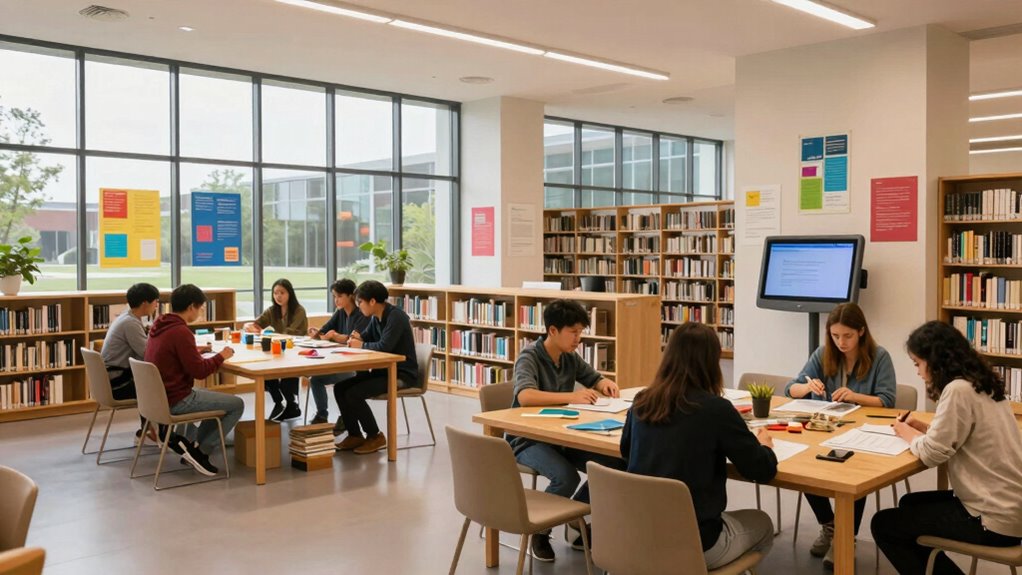

You’ll see libraries transforming into lively community labs as they shift from quiet reading spaces to hubs of innovation. They now include maker areas with 3D printers, coding stations, and electronic kits that foster creativity and problem-solving. By focusing on digital literacy and hands-on projects, libraries empower you to learn practical skills and connect with others. Community involvement shapes these spaces, making them truly centered on local needs. If you keep exploring, you’ll discover even more about this exciting evolution.

Get monitors, keyboards and dev gear delivered free — and shop member deals
- Fast, free delivery on millions of items
- Access to Prime Big Deal Days deals on October 6–7
- Prime Video, Amazon Music and more included
Key Takeaways
- Libraries transformed from quiet reading spaces to vibrant community labs fostering creativity and collaboration.
- Integration of maker spaces with digital tools enables hands-on, project-based learning for all ages.
- Focus on digital literacy programs bridges the digital divide and empowers community participation.
- Community engagement drives space design and programming, aligning library services with local needs.
- Digital tools and collaborative projects position libraries as hubs for community-centered innovation.
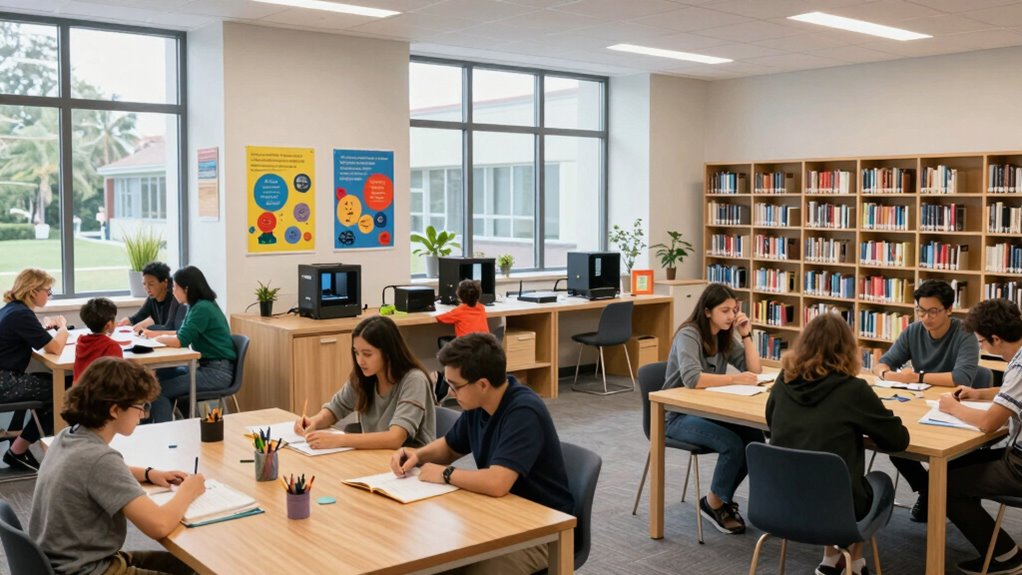
Libraries are transforming from quiet reading rooms into vibrant community labs where innovation and collaboration thrive. Instead of solely offering books, they now serve as hubs for digital literacy and hands-on learning. You might walk into your local library and find a maker space filled with 3D printers, coding stations, and electronic kits. These spaces are designed to foster creativity, problem-solving, and skill-building, making the library a place where community members of all ages can experiment and learn together. The shift from traditional to modern library spaces reflects a commitment to addressing the evolving needs of the community, especially in the digital age. digital literacy has become a core focus, with libraries increasingly providing workshops and resources to help you navigate the digital world confidently. Whether you’re learning how to protect your online privacy, mastering basic computer skills, or exploring new software, these programs empower you to participate fully in today’s digital society. The goal is to bridge the digital divide, ensuring everyone has access to technology and the skills needed to succeed. You’re encouraged to experiment with new tools and get hands-on experience, which enhances your understanding far beyond what traditional books can offer. Maker spaces, in particular, play an indispensable role in community-centered design. These spaces invite you to collaborate with others, turning ideas into tangible creations. You might work on a robotics project, design a custom piece of jewelry, or develop a simple app. The emphasis is on learning by doing, fostering a sense of empowerment and innovation. Libraries often host collaborative projects and competitions, inspiring you to think creatively and contribute to community solutions. This environment nurtures not only individual skills but also social connections, as you share knowledge and work alongside diverse groups. Additionally, integrating project-based learning methods can enhance engagement and hands-on experience, making the learning process more practical and effective. Embracing digital tools in these initiatives further amplifies the impact of community-centered design. Recognizing the importance of community engagement, libraries increasingly involve local organizations and residents in shaping these innovative spaces.
As an affiliate, we earn on qualifying purchases.
Frequently Asked Questions
How Do Libraries Fund Community-Centered Design Projects?
You can fund community-centered design projects in libraries through diverse funding models like grants, government funding, and partnerships with local organizations. By actively engaging the community, you attract support and demonstrate the project’s value, increasing chances for funding. Additionally, you might seek sponsorships or donations, and leverage fundraising events. Building strong community engagement shows funders that your project has local backing, making it easier to secure the necessary resources.
What Training Do Staff Need for Community Lab Initiatives?
You need staff training that acts like a compass, guiding your team through community engagement. Equip them with skills in active listening, cultural competence, and collaborative problem-solving. Emphasize hands-on workshops and real-world scenarios to build confidence. By fostering empathy and adaptability, your staff become catalysts for meaningful connections. This training transforms your library staff into navigators, steering community-centered initiatives with insight and compassion, creating a vibrant, inclusive space for all.
How Is Success Measured in Library-Led Community Labs?
You measure success in library-led community labs through improvements in digital literacy and the quality of creative collaboration. If patrons develop new skills and actively participate in projects, it’s a clear sign of impact. Additionally, you look for increased engagement, diverse community involvement, and innovative ideas generated during these sessions. When these elements grow over time, it indicates that your community lab effectively fosters learning, connection, and shared creativity.
Are Community Labs Open to All Age Groups?
Back in the day, libraries truly were the original “hubs” of community engagement. Today, community labs are open to all age groups, embracing age inclusivity to foster diverse participation. You’ll find programs designed for kids, teens, adults, and seniors, ensuring everyone can get involved, learn, and contribute. These inclusive spaces promote intergenerational connections, making community labs vibrant and welcoming for everyone, regardless of age.
What Partnerships Enhance Library Community Labs’ Effectiveness?
You enhance your library community labs’ effectiveness through collaborative partnerships with local schools, tech companies, and nonprofits. These innovative collaborations bring diverse resources, expertise, and programs that attract varied community members. By fostering partnerships with cultural institutions or health organizations, you create engaging, relevant experiences. These alliances help you develop more inclusive, responsive spaces, ensuring your community lab remains a vibrant hub for learning, creativity, and social connection.
electronic kits for STEM projects
As an affiliate, we earn on qualifying purchases.
As an affiliate, we earn on qualifying purchases.
Conclusion
You step into these libraries, and suddenly, you’re in the heart of a bustling, vibrant laboratory—where ideas explode like fireworks, and communities are the bubbling test tubes. These spaces aren’t just quiet corners; they’re the launchpads for innovation, creativity, and connection. Imagine every book, every table, transforming into a catalyst for change, turning ordinary libraries into extraordinary hubs where the future is built one community experiment at a time.
As an affiliate, we earn on qualifying purchases.
As an affiliate, we earn on qualifying purchases.
Fall Picks
fall essentials
As an affiliate, we earn on qualifying purchases.